Traveling with Kids: Accommodation Checklist
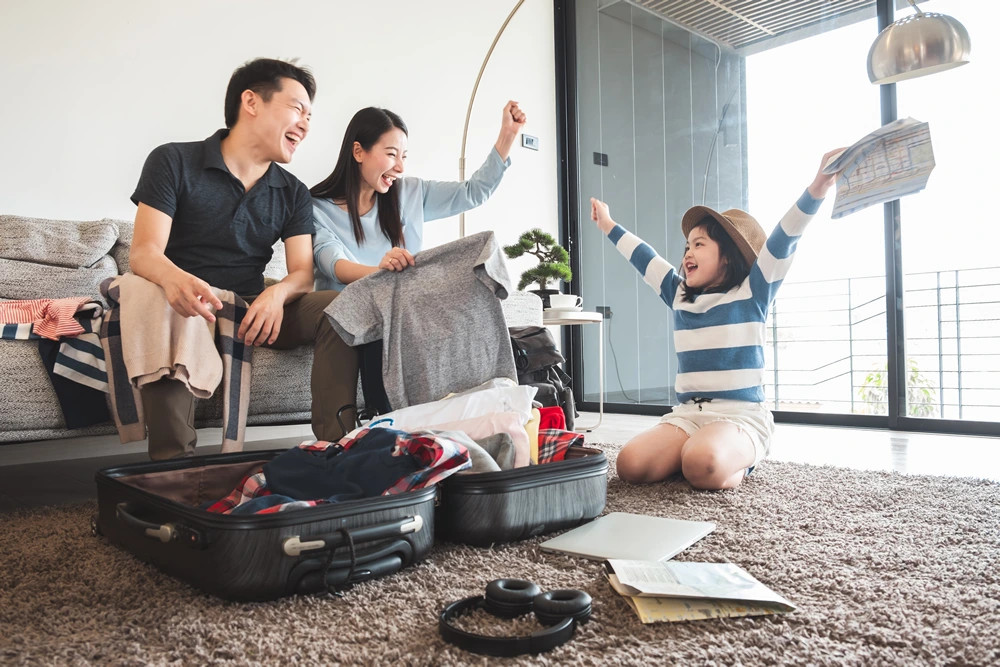
Traveling with children is one of the most rewarding things a family can do together, but it requires a level of planning and preparation that childless travel simply does not demand. When you are responsible for the comfort, safety, and happiness of young travelers, the accommodation you choose becomes far more than just a place to sleep. It becomes the base of operations for your entire trip, the safe space your children return to after a full day of activities, and the environment that will largely determine how well-rested, comfortable, and cooperative your family is throughout the holiday.
In the Philippines, where family travel is deeply embedded in the culture and destinations range from mountain retreats in Baguio to beach destinations in Palawan and Siargao, finding the right family-friendly accommodation requires knowing exactly what to look for and what questions to ask before you confirm your booking. A hotel room that works perfectly for a couple on a romantic getaway may be completely unsuitable for a family with two young children, a baby, and all the gear that comes with them.
This comprehensive accommodation checklist for families traveling with kids covers every factor you need to evaluate before booking, from safety features and sleeping arrangements to kitchen access, child-friendly amenities, and the practicalities of daily family life on the road.
Why Accommodation Choice Matters More When Traveling with Kids
The right accommodation does more than provide a bed for the night. For families with young children, the quality and suitability of the accommodation directly affects:
- How well children sleep, which determines how everyone functions the following day
- How safely children can move around the space without constant supervision
- How much the parents can relax and decompress after a full day of family activities
- How practical daily routines such as meal preparation, bathing, and nap times can be maintained
- How much the overall trip costs, since family-friendly amenities like kitchen access reduce reliance on restaurants for every meal
Choosing accommodation that genuinely works for your family rather than settling for whatever is available or cheapest in a destination is one of the most impactful decisions you will make in the planning process.
Space and Sleeping Arrangements
The first and most fundamental consideration for families traveling with children is whether the accommodation has enough space and the right sleeping configuration for everyone to be comfortable.
Check the following before booking:
- The total number of bedrooms and whether the layout allows parents and children to sleep in separate rooms if needed, or whether one large room can comfortably accommodate the whole family
- The types and sizes of beds provided, including whether there are single beds suitable for older children, double or queen beds for parents, and whether the host can provide a cot or portable crib for infants
- Whether extra mattresses, bed rails, or rollaway beds are available for additional children or to create a safe sleeping surface for toddlers who might roll off a high bed
- The total floor area of the accommodation and whether there is enough space for children to move around safely, particularly for toddlers and young children who need room to play indoors
- Whether there are separate living and sleeping areas so that children can be put to bed at their regular bedtime while parents remain in a different space without disturbing them
For larger families or groups traveling together, transient houses are often a far better option than hotel rooms because they offer multiple bedrooms, a living area, and a dining space that allows the family to spread out comfortably rather than being confined to a single room.
Safety Features Inside the Accommodation
Child safety inside the accommodation is a non-negotiable priority that parents must assess carefully before booking, particularly when traveling with infants, toddlers, and young children who are naturally curious and mobile.
Look for or ask the host about the following safety features:
- Window guards or grilles on upper-floor windows to prevent children from falling, especially in multi-story properties
- Stair gates or barriers for properties with staircases, or ground-floor bedroom and bathroom access if your children are too young to navigate stairs safely
- Covered or fenced swimming pools with a gate that can be secured when the pool is not in use, as unsupervised pool access is one of the most serious safety risks in holiday accommodations
- Secure perimeter fencing around the property so that young children cannot wander onto the street
- Non-slip flooring in bathrooms, wet areas, and around any pool or outdoor water feature
- The absence of sharp furniture corners, low-hanging light fixtures, or decorative items that young children could pull down or injure themselves on
- Secure storage for cleaning products, detergents, and other household chemicals that must be kept out of reach of children
- Working smoke detectors and a fire extinguisher accessible to adults on every floor of the property
If a property lacks any of these features, ask the host whether modifications can be made before your arrival, such as placing a gate at the top of the stairs or removing fragile decorative items from low surfaces within reach of small children.
Kitchen and Meal Preparation Facilities
Access to a fully equipped kitchen is one of the most important practical advantages that transient houses and self-catering accommodations offer over hotel rooms for families traveling with young children. The ability to prepare your own meals dramatically reduces daily food costs, eliminates the challenge of finding child-friendly food at every meal, and allows parents to maintain familiar routines around feeding times, particularly for infants and toddlers.
When evaluating the kitchen facilities of a potential accommodation, check for:
- A refrigerator large enough to store baby formula, expressed breast milk, fresh fruit, vegetables, and leftover food safely
- A stove or cooktop with enough burners to prepare multiple dishes simultaneously for a family meal
- A microwave for heating baby food, warming bottles, and reheating leftovers quickly
- A full set of cookware, utensils, plates, cups, and cutlery sufficient for the number of family members
- A high chair or booster seat for infants and toddlers who need elevated seating at the dining table
- Child-safe cups or the accommodation’s willingness for parents to bring their own without objection
- A dining table and enough chairs to seat the entire family together comfortably
If the accommodation does not include a high chair, check whether the host can source one before your arrival, or plan to bring a portable travel high chair as part of your family packing list.
Bathroom Safety and Practicality
Bathrooms in holiday accommodations are not typically designed with young children in mind, and a few practical considerations can make a significant difference to the daily routine of bathing and grooming young travelers.
Before booking, confirm or check for:
- A bathtub or a shower area large enough for a parent to bathe a young child comfortably, as shower-only bathrooms can make bathing infants and toddlers difficult
- Non-slip bath mats inside the tub and on the bathroom floor to prevent slips and falls
- A toilet that young children can use safely, or the availability of space to bring a portable toilet seat reducer
- Hot water that is reliably available and consistent in temperature, particularly important for bathing young children who are sensitive to temperature changes
- Adequate storage space for the significant volume of toiletries, medicines, diapers, and baby care products that families with young children typically travel with
- A lockable bathroom door that adults can secure when needed but that can also be opened from the outside in an emergency
Location and Accessibility
The location of your accommodation relative to your planned activities and essential services is significantly more important when you are traveling with children than when traveling as an adult alone or as a couple.
Evaluate the accommodation’s location based on:
- Proximity to child-friendly attractions such as beaches, parks, playgrounds, and family-oriented activities that form the core of your itinerary
- Distance to the nearest hospital, clinic, or emergency medical facility, as children are more vulnerable to illness and accidents and quick access to medical care can be critical
- Proximity to a supermarket, grocery store, or wet market where you can buy food, diapers, formula, and other daily necessities without a long drive or ride
- The safety and condition of roads and sidewalks surrounding the accommodation, as families with strollers and young children on foot need navigable paths and crossings
- Whether the accommodation is accessible by the type of vehicle your family will be using, particularly if you are traveling with a baby stroller, large luggage, and additional family gear that requires a van or SUV
- The noise level of the surrounding area during night hours, as children are sensitive to noise disruption and a poorly located accommodation near a bar district or busy road can significantly affect sleep quality
Child-Friendly Amenities and Entertainment
Beyond the basic necessities of safety and comfort, child-friendly amenities can significantly enhance your family’s enjoyment of the accommodation and reduce the pressure on parents to keep children entertained at all times.
When booking family accommodation, look for or ask about:
- A private swimming pool with appropriate depth for children of different ages, ideally one that has a shallow section suitable for young children and non-swimmers
- An outdoor play area, garden, or yard where children can run, play, and burn off energy in a safe and enclosed environment
- A television with child-friendly channel options or smart TV access to streaming platforms for movie nights and quiet indoor time
- Board games, toys, or outdoor play equipment provided by the host for children’s use during the stay
- Karaoke machines or family entertainment options popular for multi-generational Filipino family gatherings
- Adequate indoor space for rainy day activities, particularly important during the Philippine rainy season when outdoor plans are frequently disrupted by afternoon showers
Practical Family Logistics
Beyond amenities and safety, several practical logistical factors affect how smoothly daily family life operates during your stay.
Confirm the following before booking:
- Whether the accommodation has a washing machine so you can launder children’s clothing, towels, and soiled items during a longer stay rather than packing enough clothing for every day
- Whether the host can arrange or recommend a reliable baby equipment rental service in the area if you prefer not to travel with bulky items like a cot, stroller, or baby bath
- Whether the accommodation has a secure storage space for strollers, beach equipment, and other bulky family gear that cannot be easily kept inside the main living area
- The availability of reliable air conditioning or adequate ventilation in all sleeping areas, as maintaining a comfortable sleeping temperature is important for children’s sleep quality in the Philippine heat
- Whether the host is responsive and available to address issues quickly, as families with young children have less tolerance for unresolved maintenance problems and need a reliable point of contact during their stay
Booking Safely for Family Travel
When booking accommodation for a family trip in the Philippines, using a verified platform is especially important because the stakes of a bad booking are higher when children are involved.
- Book through Transienthome.com, where all hosts are required to submit documentary proof of their business before their listing is published, ensuring that the property you book is legitimate and accurately represented
- Read recent guest reviews carefully and look specifically for reviews from other families with children, as their feedback on child safety, space, and amenities is the most directly relevant to your situation
- Contact the host directly before booking to ask specific questions about child safety features, available baby equipment, and any house rules that could affect families with young children
- Request updated photos or a video tour of the property to verify the current condition and layout, paying particular attention to the pool area, staircases, and outdoor spaces
- Confirm the cancellation policy before paying, as family travel plans are more susceptible to last-minute changes due to children’s illness or other unexpected family circumstances
Family Accommodation Checklist Summary
Use this quick-reference checklist when evaluating any accommodation for a family trip with children:
Space and Sleeping
- Sufficient bedrooms and sleeping space for all family members
- Appropriate bed types and sizes for children
- Cot or crib available for infants
- Separate living and sleeping areas
Safety
- Window guards on upper floors
- Stair gates or ground-floor access
- Fenced and gated swimming pool
- Secure perimeter fencing
- Non-slip flooring in wet areas
- Smoke detectors and fire extinguisher
Kitchen and Meals
- Full kitchen with refrigerator, stove, and microwave
- Complete cookware and utensils
- High chair or booster seat
- Dining table with enough seating
Bathroom
- Bathtub or child-friendly shower area
- Non-slip bath mats
- Reliable hot water
- Lockable door
Location
- Near child-friendly attractions
- Close to medical facilities
- Near grocery stores and markets
- Safe and accessible roads and paths
Amenities
- Private swimming pool with shallow area
- Outdoor play area or garden
- Television or entertainment options
- Washing machine
Frequently Asked Questions
What type of accommodation is best for families traveling with young children in the Philippines?
Transient houses are generally the best accommodation option for families traveling with young children in the Philippines because they offer the space, privacy, and self-catering facilities that hotel rooms simply cannot match for family travel. A transient house with multiple bedrooms, a fully equipped kitchen, a dining area, a living room, and a private outdoor space gives parents the ability to maintain daily routines around meal preparation, nap times, and bedtime without the constraints of hotel living. The total nightly cost of a transient house divided among all family members is also typically far more economical than booking multiple hotel rooms for the same group. When booking a transient house for family travel, use a verified platform like Transienthome.com where every host has submitted documentary proof of their business, and look specifically for properties with child safety features such as pool fencing, stair gates, and secure perimeter walls.
How do I know if an accommodation is truly safe for young children?
Verifying the child safety of a holiday accommodation requires going beyond the listing photos and asking specific questions directly to the host before booking. Ask about the presence of window guards on upper floors, pool fencing with a lockable gate, stair gates or ground-floor room access, non-slip flooring in bathrooms and wet areas, and secure storage for cleaning products and chemicals. Request a video tour of the property that specifically shows the pool area, staircase, outdoor spaces, and bedroom windows so you can visually assess potential hazards before you arrive. Reading reviews from other families with children on platforms like Transienthome.com is one of the most reliable ways to get honest, firsthand information about the child safety of a specific property from parents who have already stayed there with their own kids.
What should I pack for a family trip to ensure the accommodation meets our children’s needs?
Even when you have confirmed that your chosen accommodation is family-friendly, packing a few essential items ensures that your children’s needs are covered regardless of what the property does or does not provide. Key items to consider bringing include a portable travel cot or baby bed if the accommodation cannot confirm the availability of a safe sleeping surface for infants, a portable high chair or booster seat for mealtimes, a baby monitor for use when children are sleeping in a separate room, non-slip bath mats if you have concerns about bathroom flooring, a small first aid kit with children’s fever medication, antihistamines, antiseptic cream, and any prescription medications your children regularly take, and sufficient diapers, formula, and baby food to cover at least the first day of your stay in case the nearest store is not immediately accessible from your accommodation.
Expert Author Bio: Randy Alta