Travel Safety Tips for Solo Travelers in the Philippines
Traveling solo in the Philippines is one of the most rewarding experiences you can have. With over 7,600 islands, world-class beaches, vibrant cities, rich culture, and some of the warmest and most welcoming people in Southeast Asia, the Philippines offers solo travelers an incredible range of experiences that are hard to match anywhere else in the region.
But like any destination, traveling alone in the Philippines comes with its own set of risks and challenges that require preparation, awareness, and good judgment. Whether you are a first-time solo traveler or a seasoned backpacker adding the Philippines to your list, this guide covers everything you need to know to stay safe, confident, and in control throughout your trip.
Plan and Research Before You Leave
The foundation of safe solo travel is solid preparation before your trip begins. Many of the problems solo travelers encounter in the Philippines are avoidable with proper planning and research done in advance.
- Research the safety situation of your intended destinations before booking, as conditions can vary significantly between regions, islands, and even specific towns or barangays
- Check travel advisories issued by your country’s embassy or foreign affairs department for the Philippines, and note any areas currently flagged as high-risk
- Avoid areas in Mindanao that are under active travel warnings, particularly the Sulu Archipelago and parts of the Zamboanga Peninsula, which have historically experienced security concerns
- Plan your itinerary in advance but build in flexibility for weather changes, particularly during typhoon season from June to November
- Share your complete itinerary with a trusted family member or friend at home, including your accommodation addresses, contact numbers, and travel dates for each destination
- Register with your country’s embassy in the Philippines so they can reach you in the event of a national emergency, natural disaster, or security incident
- Make photocopies and digital backups of all your important documents, including your passport, visa, travel insurance, and accommodation bookings, and store them separately from the originals
Choose Your Accommodation Wisely
Where you stay has a direct impact on your safety as a solo traveler in the Philippines. Choosing the right accommodation is not just about comfort and price but about security, location, and the reliability of the host or property manager.
- Book accommodations through verified platforms rather than informal arrangements made through social media or unverified classified ad sites, as scams targeting solo travelers are common
- For transient house bookings, use platforms like Transienthome.com where every host is required to submit documentary proof of their business before listing, giving you a higher level of security than booking through Facebook groups or Messenger
- Read guest reviews thoroughly before booking and look for comments specifically mentioning safety, security features, and the responsiveness of the host or caretaker
- Choose accommodations that have secure door locks on bedrooms and bathrooms, working outdoor lighting, and either an on-site caretaker or a reliable host you can contact at any time
- Inform the host or caretaker of your expected arrival time and keep them updated if your plans change, particularly if you will be arriving late at night
- Avoid sharing your exact accommodation address publicly on social media while you are still traveling, as this information can be misused by opportunistic individuals
Stay Aware of Your Surroundings
Situational awareness is one of the most important safety skills a solo traveler can develop. Being alert and present in your environment significantly reduces your vulnerability to theft, scams, and other risks.
- Avoid walking alone at night in unfamiliar or poorly lit areas, particularly in busy commercial districts, markets, and transport terminals where petty crime is more common
- Keep your valuables such as your phone, wallet, camera, and passport secured and out of sight when moving through crowded public spaces
- Use a concealed money belt or a neck pouch worn under your clothing to carry your cash, cards, and identification rather than keeping them in an easily accessible bag or pocket
- Avoid displaying expensive jewelry, cameras, or gadgets that could make you a target for theft or robbery
- Trust your instincts. If a person, situation, or location feels uncomfortable or unsafe, remove yourself from it immediately without worrying about appearing rude
- Be cautious of strangers who approach you with unsolicited offers of help, free tours, or invitations to accompany them somewhere, as some of these encounters are setups for scams or worse
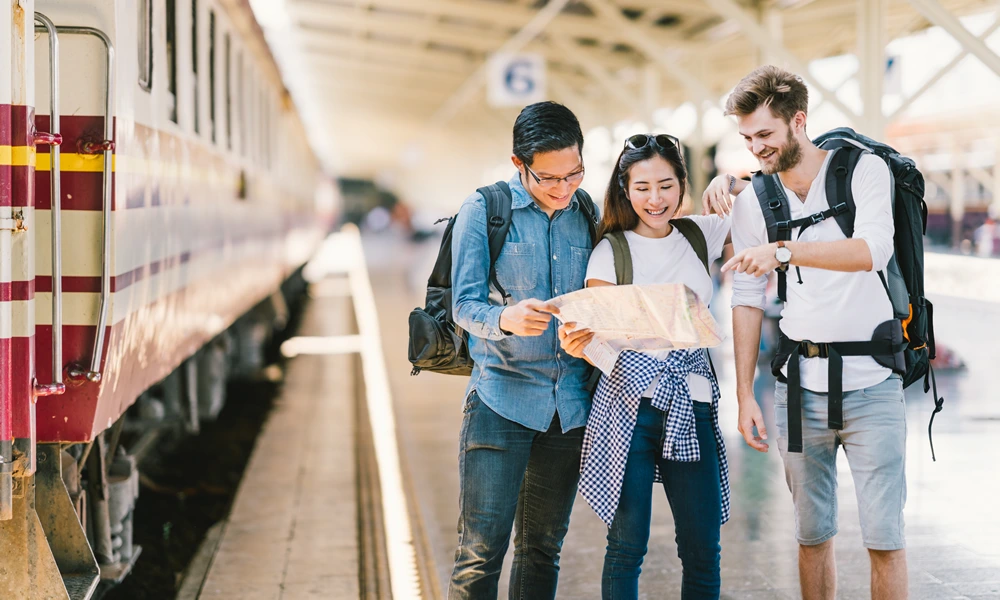
- Stay oriented by studying maps and knowing the general layout of the area you are in before you venture out, so you are not visibly lost or confused in public
Transportation Safety
Getting around in the Philippines as a solo traveler involves navigating a mix of transportation options, from tricycles and jeepneys to ferries and domestic flights. Each comes with its own safety considerations.
- Use ride-hailing apps like Grab whenever available, as they provide a digital record of your trip, the driver’s identity, and your route, which is significantly safer than flagging down an unmarked taxi
- If you must use a taxi, only board metered taxis from official taxi stands outside airports, hotels, and shopping malls, and never get into an unmarked vehicle regardless of what the driver offers
- Avoid traveling by road at night in unfamiliar provinces, as poor road conditions, limited lighting, and the higher likelihood of road accidents make nighttime driving particularly risky outside of major cities
- When taking ferries between islands, choose MARINA-accredited and reputable ferry operators, check the weather forecast before departure, and always locate the life jackets and emergency exits when you board
- For domestic flights, book through established airlines with good safety records and confirm your booking directly through the airline’s official website or a reputable travel agent
- Avoid overloaded or visibly unsafe vehicles, particularly small bancas and habal-habal motorcycles on remote island routes, and insist on wearing a helmet when riding a motorbike regardless of local customs
- Keep a written note of the driver’s plate number or vehicle details when using informal transportation, and share it with someone you trust before you depart
Health and Medical Preparedness
Staying healthy while traveling solo in the Philippines requires preparation and awareness of the specific health risks present in a tropical climate.
- Consult a travel medicine doctor before your trip to discuss recommended vaccinations for the Philippines, including hepatitis A, typhoid, and depending on your itinerary, rabies and Japanese encephalitis
- Bring a basic travel medical kit that includes fever medication, antihistamines, oral rehydration salts, antiseptic wipes, bandages, and any prescription medications you regularly take
- Drink only bottled or purified water, as tap water in most parts of the Philippines is not safe for consumption
- Protect yourself from mosquito bites by applying insect repellent regularly, wearing long-sleeved clothing in the evenings, and using a mosquito net when sleeping in areas with limited screening or airflow, as dengue fever is present throughout the country
- Avoid contact with stray animals, as rabies is present in the Philippines and a bite or scratch from an infected animal requires immediate medical attention
- Know the location of the nearest hospital, clinic, or emergency medical facility in every destination you visit, and save the contact numbers before you need them
- Purchase comprehensive travel insurance before your trip that covers emergency medical evacuation, hospitalization, and trip cancellation, as medical costs in the Philippines for foreigners without insurance can be substantial
Digital Safety and Communication
Staying connected and protecting your personal information online are important aspects of solo travel safety that are often overlooked.
- Purchase a local SIM card with a data plan upon arrival at the airport so you always have access to maps, communication apps, and emergency contacts without relying on Wi-Fi
- Save the following emergency contact numbers in your phone before you leave your accommodation each day: the Philippine National Police emergency hotline (911), the local police station, your accommodation host or caretaker, and your country’s embassy
- Avoid using public Wi-Fi networks for sensitive activities such as online banking, accessing your email, or entering passwords, as these networks are vulnerable to interception
- Use a VPN (Virtual Private Network) when connecting to public Wi-Fi to encrypt your data and protect your personal information from being accessed by third parties
- Enable location sharing with a trusted contact at home so they can monitor your general location in real time throughout your trip
- Set a strong lock screen password on your phone and enable remote wipe functionality in case your device is lost or stolen
- Back up your photos and important files to cloud storage regularly so you do not lose everything if your phone or laptop is stolen
Money and Financial Safety
Managing your money wisely as a solo traveler in the Philippines reduces your financial exposure and protects you from common money-related scams.
- Carry only the cash you need for the day and keep the rest secured in your accommodation, preferably in a lockable safe or a hidden compartment in your bag
- Use ATMs located inside banks, shopping malls, or hotels rather than standalone machines on the street, which are more vulnerable to card skimming devices
- Inform your bank before traveling so your cards are not blocked for suspicious activity when used in the Philippines
- Carry at least two different payment methods such as a debit card, credit card, or GCash account, so you have a backup if one is lost or blocked
- Be wary of money changers operating outside of established exchange centers, as short-changing and counterfeit currency are common tricks used against tourists
- Avoid accepting help from strangers at ATMs, even if they appear friendly and well-intentioned, as card skimming often involves distraction tactics
Cultural Awareness and Respectful Travel
Understanding and respecting Filipino culture not only enriches your travel experience but also helps you avoid misunderstandings that could create uncomfortable or unsafe situations.
- Dress modestly when visiting churches, mosques, and rural communities, as conservative dress shows respect and helps you blend in with local expectations
- Learn a few basic Filipino or Tagalog phrases such as greetings, thank you, and asking for directions, as locals appreciate the effort and it can open doors to genuine and helpful interactions
- Be discreet about your travel budget, the cost of your gear, or the number of countries you have visited, as this information can attract unwanted attention in some areas
- Avoid public intoxication, as it significantly reduces your awareness and judgment and makes you a more visible target for opportunistic crime
- Respect local customs around photography, particularly when visiting indigenous communities or religious sites, and always ask permission before taking someone’s photo
General Safety Habits for Every Day of Your Trip
Build these daily habits into your solo travel routine in the Philippines to maintain a consistent standard of personal safety throughout your trip.
- Check in with your emergency contact at home at least once per day, even if just a brief message confirming your location and plans
- Avoid posting real-time location updates on social media, as announcing your exact whereabouts publicly alerts potential criminals to where you are and where you are not
- Keep your accommodation key, phone, and emergency cash in a consistent and secure location so you can access them quickly if needed
- Always have a plan for getting back to your accommodation safely at the end of the day before you go out, including the route, estimated travel time, and transportation options
- Trust your instincts at all times. Your gut feeling about a person or situation is often your most reliable safety tool, and no experience or photo opportunity is worth ignoring it
Frequently Asked Questions
Is the Philippines safe for solo travelers?
The Philippines is generally safe for solo travelers who exercise reasonable caution, stay informed about their destinations, and follow standard travel safety practices. Popular tourist destinations such as Palawan, Siargao, Cebu, Bohol, Boracay, and the majority of Metro Manila are visited safely by thousands of solo travelers every year, both Filipino and foreign. As with any destination, risks exist and vary by location, so it is important to research your specific itinerary, check current travel advisories, avoid areas with active security warnings, and maintain situational awareness throughout your trip. Choosing verified accommodations, using reputable transportation, and keeping trusted contacts informed of your whereabouts are among the most effective habits for staying safe as a solo traveler in the Philippines.
What should I do in an emergency while traveling solo in the Philippines?
In an emergency, call the Philippine National Police emergency hotline at 911, which operates nationwide and can dispatch police, fire, or medical assistance depending on the nature of the situation. For medical emergencies, proceed to the nearest hospital or call a private ambulance service if one is available in your area. Contact your country’s embassy or consulate if you need consular assistance, including help with a lost passport, legal trouble, or a serious security incident. Notify your emergency contact at home as soon as it is safe to do so, and reach out to your accommodation host or caretaker who can often provide immediate local assistance and guidance. Having all of these numbers saved in your phone before you need them is one of the simplest and most important safety preparations you can make before each day of travel.
What are the safest destinations for solo travelers in the Philippines?
Some of the safest and most popular destinations for solo travelers in the Philippines include Palawan, particularly El Nido and Coron, which are well-developed tourist areas with established safety infrastructure and a strong presence of reputable tour operators and accommodations. Siargao is widely regarded as one of the friendliest and safest islands in the country, with a welcoming community and a well-established backpacker culture. Cebu City and the surrounding islands including Malapascua and Malapascua offer a good mix of urban amenities and island experiences in a relatively safe and tourist-friendly environment. Bohol, Boracay, and the Cordillera region including Baguio and Sagada are also popular choices for solo travelers seeking natural beauty, cultural experiences, and a manageable level of tourist infrastructure. In all of these destinations, staying in verified accommodations, booking through reputable platforms like Transienthome.com, and maintaining basic situational awareness will keep your experience safe and enjoyable.
Expert Author Bio: Randy Alta