Cost-Sharing Tips for Group Travel
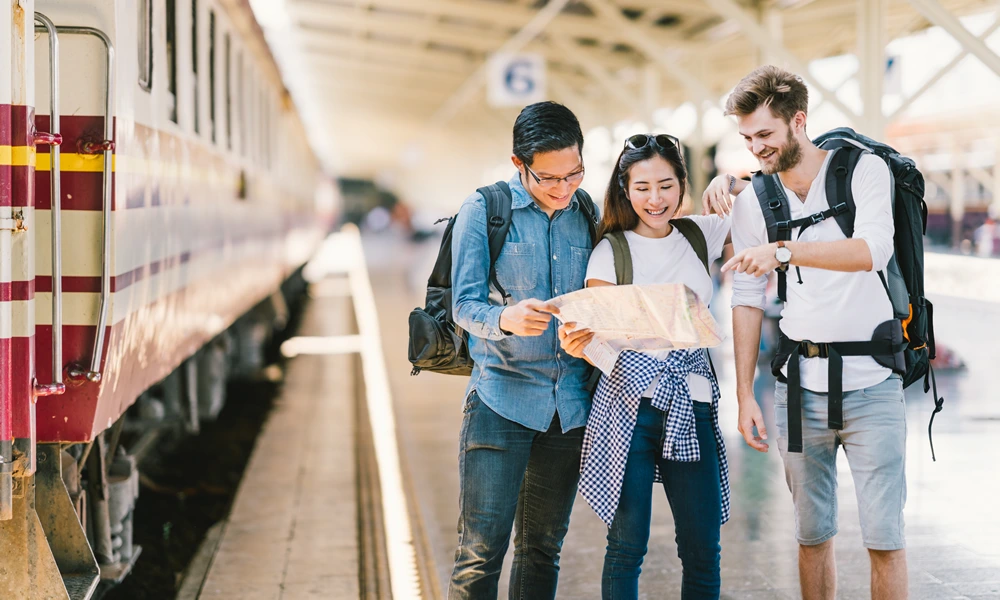
Traveling in a group is one of the best ways to experience everything the Philippines has to offer while keeping costs manageable for everyone involved. Whether you are planning a barkada beach trip to Siargao, a family reunion in Tagaytay, a corporate team outing in Batangas, or a long weekend getaway with college friends in Baguio, the financial dynamics of group travel require a level of planning, communication, and fairness that solo or couple travel simply does not demand.
When cost-sharing is handled well, group travel becomes more affordable for everyone, conflicts over money are avoided, and the group can focus on enjoying the experience rather than stressing over who owes what to whom. When it is handled poorly, disputes over expenses can sour even the best trip and damage friendships that have lasted for years.
This guide covers the most practical and effective cost-sharing strategies for group travel in the Philippines, from choosing the right accommodation and dividing shared expenses to managing group finances transparently and handling the inevitable situations where not everyone can or wants to spend the same amount.
Start with an Honest Conversation About Budget
The most important cost-sharing conversation happens before anyone books anything. Establishing a clear and shared understanding of the group’s budget expectations at the very beginning of the planning process prevents misunderstandings and resentment later.
Before committing to any bookings, the group should discuss and agree on:
- The overall budget range that everyone is comfortable spending for the entire trip, including accommodation, transportation, food, activities, and incidentals
- Whether the group will operate on a single shared budget or whether individuals will contribute equally to shared costs while managing their own personal spending separately
- Whether there are members of the group who have a significantly tighter budget than others, and how the group will handle this without making those individuals feel excluded or embarrassed
- Whether the trip will use a one-size-fits-all approach where everyone pays equally, or whether costs will be adjusted based on individual room assignments, dietary preferences, or activity participation
- Who will be responsible for managing the group fund, collecting contributions, and keeping records of shared expenses throughout the trip
Having this conversation early and openly, even if it feels slightly awkward, is far better than discovering fundamental disagreements about money mid-trip when options for resolution are more limited.
Choose Accommodation That Maximizes Group Value
Accommodation is almost always the largest single expense for any group trip, and choosing the right type of property for a group significantly affects how effectively the group can share and reduce costs.
Why Transient Houses Are the Best Value for Group Travel
Transient houses are the most cost-effective accommodation option for groups traveling in the Philippines, and the reason is straightforward: a single property with multiple bedrooms, a full kitchen, multiple bathrooms, a living area, a dining area, and outdoor space is rented at a flat nightly rate that is then divided among all members of the group. When you divide the total nightly cost of a transient house among eight, ten, or twelve group members, the per-person nightly rate is almost always significantly lower than what each individual would pay for a hotel room in the same destination.
Beyond the cost advantage, transient houses offer group travel benefits that hotels simply cannot match:
- A communal living space where the group can gather, socialize, cook together, and enjoy each other’s company without the fragmented experience of being spread across multiple hotel rooms on different floors
- A full kitchen that allows the group to prepare some or all of their own meals, dramatically reducing the food budget compared to eating out for every meal during the trip
- A single venue for group activities, late-night gatherings, and communal meals that eliminates the cost of renting an event space or paying for a private dining setup at a restaurant
- The flexibility to accommodate different sleeping preferences within the same property, with couples taking one bedroom, single travelers sharing another, and children sleeping close to their parents
When booking a transient house for group travel, use verified platforms like Transienthome.com where every host has submitted documentary proof of their business, ensuring the property is legitimate and accurately represented before the group commits to payment.
Tips for Choosing the Right Transient House for a Group
- Match the property’s stated comfortable capacity to the actual size of your group rather than squeezing everyone into the maximum occupancy limit, as comfort affects everyone’s enjoyment and sleep quality
- Choose a property with enough bathrooms relative to the number of guests to avoid morning bottlenecks that slow down the group’s daily schedule
- Look for properties that include a large dining table with enough seating for the entire group, particularly if shared meals are an important part of the trip experience
- Confirm that the kitchen is fully equipped with enough cookware, utensils, and appliances to prepare meals for the full group size
- Prioritize properties with outdoor space such as a garden, patio, terrace, or pool where the group can gather comfortably without being confined to indoor spaces
Establish a Group Fund
One of the most effective practical tools for managing shared expenses during a group trip is a dedicated group fund that everyone contributes to before the trip begins and that covers all shared costs throughout the journey.
How to set up and manage a group fund effectively:
- Calculate the estimated total of all shared expenses before the trip, including accommodation, transportation, shared meals, group activity fees, and any other costs that the entire group will benefit from equally
- Divide the estimated total by the number of group members and collect the resulting per-person contribution from everyone before departure, ideally at least one week before the trip to allow time to follow up on any delayed payments
- Designate one trusted and organized person as the group treasurer, responsible for collecting contributions, making payments from the fund, keeping a running record of every expense, and returning any unspent balance to the group at the end of the trip
- Use a shared mobile banking account, a GCash group wallet, or a clearly labeled cash envelope that all group members can see and verify, rather than having one person manage the money entirely from their own personal account
- Set a clear policy for what happens if the fund runs short, such as collecting an additional equal contribution from all members rather than having one person cover the shortfall and attempting to collect from others afterward
The group fund approach is far more efficient than the alternative of having one person pay for everything and then collecting reimbursements afterward, which often leads to delays, rounding disputes, and awkward follow-up conversations about money.
Use Technology to Track and Split Expenses
Several widely available apps and tools make tracking and splitting group travel expenses significantly easier and more transparent, eliminating the mental math and potential for error that comes with managing shared costs manually.
Useful tools for group expense tracking include:
- Splitwise, a free app that allows groups to record shared expenses, assign costs to specific group members, and automatically calculate who owes what to whom at any point during the trip
- GCash and Maya, which allow for instant peer-to-peer money transfers between Filipino users without bank fees, making it easy for group members to settle balances quickly and transparently
- A shared Google Sheets document where the group treasurer records every expense in real time so all group members can view the running total and their current share of costs at any time
- WhatsApp or Viber group chats where expense summaries can be shared regularly so no one is surprised by the final tally at the end of the trip
The key principle with expense tracking is transparency. When everyone can see where the money is going and how much they owe at any point during the trip, there is far less room for misunderstanding or suspicion, and the treasurer’s role becomes significantly less stressful.
Divide Costs Fairly, Not Just Equally
Equal cost division is the simplest approach to group expense sharing, but it is not always the fairest, and in some situations it can create unnecessary tension within the group. Understanding when to split equally and when to split differently is an important part of managing group finances well.
Split equally for:
- Accommodation, as everyone benefits from the property regardless of how much time they spend in it
- Shared transportation such as a van rental that carries everyone to and from the destination
- Group activity fees for activities that all members participate in together
- Shared household supplies such as cooking oil, condiments, toilet paper, and cleaning materials purchased for the transient house
- Communal meals prepared at the accommodation that everyone eats together
Consider splitting differently for:
- Restaurant meals where individuals order different quantities or different price points, in which case paying for your own order is fairer than splitting the total equally
- Optional activities that only some group members choose to participate in, such as a surfing lesson or a scuba diving session that not everyone joins
- Alcohol and beverages, as consumption levels within a group can vary widely and it is generally fairer for individuals to pay for what they personally consume
- Transportation for side trips that only part of the group takes, with the cost shared only among those who actually participated
Being clear about which expenses will be split equally and which will be handled individually before the trip begins prevents awkward renegotiations mid-trip when someone realizes they have been subsidizing another person’s choices.
Plan Meals to Reduce Food Costs
Food is one of the largest and most variable expenses in any group trip, and smart meal planning is one of the most effective ways to keep the overall group budget under control without sacrificing the enjoyment of good food during the holiday.
Cost-effective meal planning strategies for group trips:
- Plan to cook at least one or two meals per day at the transient house using fresh ingredients from the local wet market or supermarket, as home-cooked group meals cost a fraction of the equivalent restaurant bill and often become some of the most memorable shared experiences of the trip
- Assign meal preparation duties to different group members or pairs for each day of the trip, so cooking and cleanup responsibilities are distributed fairly rather than falling on the same one or two people every day
- Visit the local wet market or public market on the first day of the trip to stock up on fresh ingredients, snacks, and beverages at prices significantly lower than convenience stores and tourist-facing shops
- Plan one or two restaurant meals as deliberate group outings to enjoy local cuisine without the effort of cooking, and budget for these as a known shared expense rather than an unplanned addition to costs
- Bring a supply of easy snacks, instant noodles, canned goods, and breakfast items from a supermarket before leaving for the destination so the group is not dependent on potentially more expensive local options for every small meal
Handle Budget Differences with Sensitivity
In almost every travel group, there will be members with different financial situations, and how the group handles these differences determines whether everyone feels included and valued or whether some members feel pressured or excluded.
Practical ways to accommodate different budgets within a group:
- Offer tiered accommodation options within the same property by assigning larger or more private rooms to those willing to pay a higher share and smaller or shared rooms to those on a tighter budget, so everyone stays under the same roof while contributing a proportional amount
- Build a group itinerary that includes a mix of free or low-cost activities and premium experiences, so members on tighter budgets are not constantly left out or forced to spend beyond their means
- Avoid publicly discussing individual financial situations within the group, and instead have private conversations with the trip organizer if someone needs accommodation for their budget constraints
- Never pressure group members to spend more than they are comfortable with on optional upgrades, expensive dinners, or premium activities, as the social pressure to keep up financially is one of the most common sources of post-trip resentment among friends
- Consider using any savings from efficient cost-sharing to subsidize the participation of group members on tighter budgets rather than treating the savings as an opportunity to upgrade to more expensive options
Settle All Balances Before Leaving
One of the most important rules of group travel cost-sharing is to settle all financial balances completely before the group returns home, while everyone is still together and the shared experience is fresh.
Best practices for final settlement:
- Conduct a final expense review on the last day of the trip before checkout, going through every recorded shared expense to confirm accuracy and give all group members the opportunity to raise any questions or corrections
- Calculate each person’s final balance clearly and share the summary with the entire group through the WhatsApp or Viber chat so everyone can verify the figures independently
- Settle all balances immediately using GCash, Maya, or bank transfer rather than leaving any amounts outstanding for collection after everyone has returned home, as follow-up collection becomes progressively more awkward and difficult over time
- Return any unspent balance from the group fund proportionally to all contributing members immediately rather than rolling it over to a future trip without explicit group agreement
- Thank the group treasurer for their work in managing the finances, as this role involves significant effort and responsibility that deserves recognition from the rest of the group
Frequently Asked Questions
What is the fairest way to split accommodation costs in a group trip?
The fairest way to split accommodation costs in a group trip depends on the type of property and the sleeping arrangements. For a transient house where the group rents the entire property, dividing the total nightly rate equally among all group members is the simplest and most commonly used approach, as everyone benefits from the shared space regardless of how much time they spend in each room. If the property has rooms of significantly different sizes or quality, a tiered contribution system where members in larger or more private rooms pay a slightly higher share is a fair alternative that accommodates different preferences without creating resentment. For group bookings through platforms like Transienthome.com, confirming the total rate and any additional fees such as the security deposit and cleaning charge before dividing the cost ensures that everyone is contributing to the actual total rather than an estimate that changes later.
How do I handle it if a group member does not pay their share?
Handling a non-paying group member requires a combination of clear prior agreements, gentle but firm follow-up, and a practical backup plan. The best prevention is collecting all contributions to the group fund before the trip departs rather than relying on post-trip reimbursement, as it is significantly harder to avoid payment when everyone is together and the trip has not yet happened. If a member is unable or unwilling to pay their share after the trip, address the issue directly and privately rather than publicly within the group, and give a clear and reasonable deadline for settlement. If the amount remains unpaid after follow-up, the remaining group members may need to decide collectively whether to absorb the shortfall equally or pursue the matter further, and this decision should be made as a group rather than being left to the treasurer alone to resolve.
How far in advance should a group book accommodation for a trip in the Philippines?
Groups should book accommodation as far in advance as possible, particularly for travel during peak periods in the Philippines such as Holy Week, the summer months of April and May, Christmas and New Year, and long weekends when demand for transient houses and other group-friendly properties is highest and availability disappears quickly. For peak season travel, booking six to eight weeks in advance is strongly recommended, as popular transient houses that can accommodate large groups are limited in number and are reserved early by experienced travelers who plan ahead. For off-peak travel during weekdays or the quieter months of June to October, two to four weeks advance booking is generally sufficient to secure a good selection of verified properties on platforms like Transienthome.com at competitive rates. Regardless of the season, booking early also gives the group more time to coordinate contributions to the group fund, confirm the guest list, and communicate with the host about any specific requirements or arrangements needed for the stay.
Expert Author Bio: Randy Alta