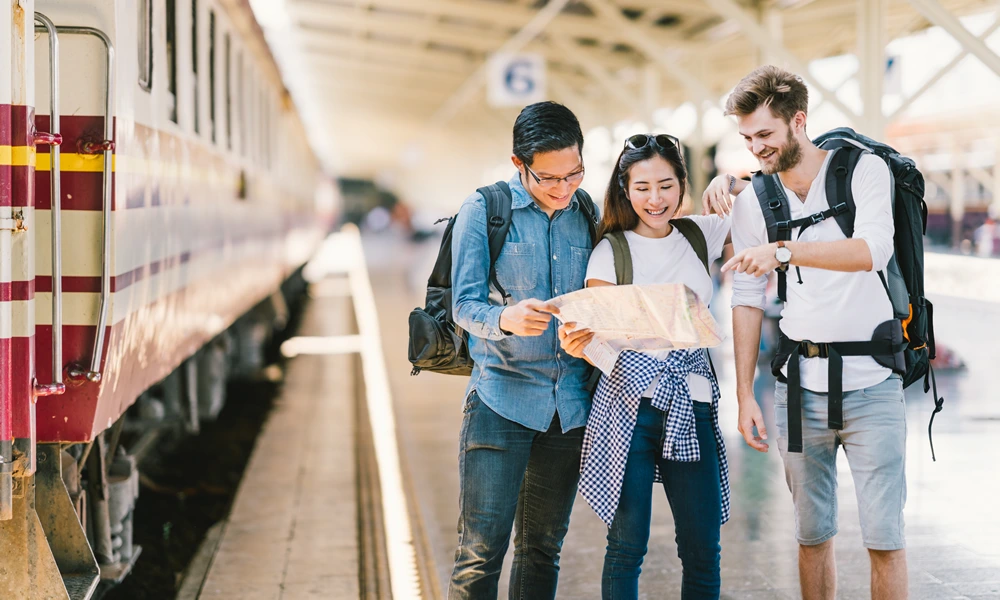
Group Travel Safety Tips

Traveling in a group offers built in companionship, shared costs, and the comfort of having other people around in unfamiliar places. However, group travel also brings its own set of safety challenges, from keeping everyone together to managing emergencies that affect only one or two members of the group. This guide covers practical, actionable safety tips for anyone planning or currently on a group trip, whether it is a family vacation, a barkada trip, a school excursion, or a company outing.
Why Group Travel Safety Needs Its Own Approach
Many people assume that traveling in a group is automatically safer than traveling alone, and in many ways it is. However, groups face unique risks that solo travelers do not, such as members getting separated, conflicting decisions during emergencies, and the assumption that someone else is “handling” safety.
Group travel safety requires its own approach because:
- Responsibility can become unclear when no one is officially in charge
- Larger groups are more visible and can attract unwanted attention, including theft
- Coordinating schedules and locations increases the chance of someone getting left behind
- Emergencies affecting one member can disrupt the entire group’s plans
- Group dynamics, such as peer pressure, can lead to riskier decisions than an individual would normally make
Planning ahead with these risks in mind helps the entire group stay safer and handle problems more smoothly if they arise.
Step 1: Plan and Prepare Before the Trip
Good group travel safety starts well before anyone leaves home. Preparation reduces confusion and gives everyone a shared understanding of the plan.
Before the trip, the group should:
- Share a detailed itinerary with all members, including accommodation addresses and contact numbers
- Designate at least one point person or group leader responsible for logistics and emergencies
- Exchange emergency contact information for every member, including a contact back home
- Research the destination’s common safety risks, such as scams, natural hazards, or unsafe areas
- Check travel advisories or local government warnings for the destination
- Confirm everyone has valid identification, travel insurance, and any required documents
- Agree on a basic group budget approach to avoid disputes during the trip
A short group chat or shared document with this information keeps everyone aligned and reduces last minute confusion.
Step 2: Choose a Communication Plan
Staying connected as a group, especially in places with weak signal or language barriers, is one of the most important safety measures you can put in place.
An effective communication plan includes:
- A primary group chat app that everyone has installed and tested before the trip
- A backup communication method, such as a local SIM card or offline messaging app, in case of poor signal
- A clear system for letting others know if someone needs to step away from the group temporarily
- Scheduled check in times, especially during full day activities or when the group splits up
- A plan for what to do if someone cannot be reached within an agreed time frame
Setting expectations about communication before the trip starts prevents panic and confusion later if someone goes quiet for a while.
Step 3: Set Group Agreements Early
Many safety problems in group travel come from unspoken assumptions rather than actual dangers. Setting clear agreements early removes ambiguity.
Useful agreements to discuss as a group:
- What to do if the group gets separated in a crowd or unfamiliar area
- A designated meeting point in case phones run out of battery or signal is lost
- How decisions will be made if the group disagrees on plans, such as majority vote or rotating choice
- What time everyone needs to be back at the accommodation each night
- How alcohol or risky activities will be handled, especially with mixed comfort levels in the group
- Who holds copies of important documents, such as passports or itineraries, in case of loss
Discussing these agreements honestly, even if it feels unnecessary at the time, prevents serious confusion during an actual emergency.
Step 4: Stay Together in Public and Unfamiliar Areas
One of the simplest and most effective group safety practices is staying physically together, especially in crowded, unfamiliar, or higher risk areas.
Practical tips for staying together:
- Use the buddy system, pairing members so no one walks alone, especially at night
- Avoid letting the group spread out too far in crowded markets, transport terminals, or events
- Count group members regularly during transitions, such as boarding a vehicle or leaving a venue
- Assign someone to walk at the front and someone at the back of the group to prevent stragglers
- Agree on a maximum distance or time before checking in if anyone needs to step aside
Counting heads might feel overly cautious, but it is one of the fastest ways to notice a missing member before the problem grows more serious.
Step 5: Protect Valuables and Important Documents
Groups are often more visible than solo travelers, which can unfortunately attract pickpockets, scammers, or opportunistic theft, especially in tourist heavy areas.
To protect valuables:
- Avoid displaying expensive jewelry, gadgets, or large amounts of cash in public
- Use a money belt, anti theft bag, or front facing pocket for cash and cards
- Split cash and cards among multiple group members instead of keeping everything with one person
- Make digital copies of passports, IDs, and travel documents, stored securely online and accessible offline
- Leave a copy of important documents with a trusted contact back home
- Use hotel safes or lockers when available instead of carrying everything at all times
Spreading out valuables across the group also means that losing one bag or wallet does not wipe out the entire group’s resources.
Step 6: Be Cautious With Group Decision Making
Group dynamics can sometimes lead to riskier choices than individuals would normally make on their own, especially when peer pressure or excitement takes over.
To make safer group decisions:
- Encourage anyone uncomfortable with an activity to speak up without judgment from the group
- Avoid pressuring members into risky activities, such as cliff jumping or late night excursions, simply to keep the group together
- Research activity providers and tour operators before booking, especially for adventure activities
- Set a designated decision maker or process for situations where time is limited, such as choosing transportation during an emergency
- Avoid excessive alcohol consumption that could impair the judgment of multiple group members at once
A group that openly discusses comfort levels and concerns tends to make safer collective decisions than one where everyone simply goes along with the loudest voice.
Step 7: Prepare for Emergencies as a Group
Even with careful planning, emergencies can still happen, from medical issues to natural disasters to lost documents. Having a plan in place before the trip reduces panic and confusion if something goes wrong.
Emergency preparation should include:
- Knowing the local emergency numbers for police, medical services, and fire response
- Identifying the nearest hospital or clinic to your accommodation
- Carrying a basic first aid kit, including any group members’ personal medications
- Knowing the location of your country’s embassy or consulate, especially for international trips
- Agreeing in advance who will take charge if a medical emergency occurs
- Keeping a small emergency fund accessible in case of unexpected costs
Reviewing this information together as a group, even briefly, ensures that more than one person knows what to do if the situation requires quick action.
Step 8: Adjust Safety Measures for Different Types of Groups
Not all groups have the same safety needs. A family trip with children, a school excursion, and a friends’ getaway each require different levels of precaution.
For families with children:
- Dress children in identifiable clothing or accessories that are easy to spot in a crowd
- Teach children a simple plan for what to do if they get separated, such as staying in one place and asking a uniformed staff member for help
- Keep a recent photo of each child on your phone in case you need to describe them to authorities
For school or organizational trips:
- Assign chaperones to specific small groups rather than relying on one person to watch everyone
- Conduct headcounts at every transition point, including before and after meals or activities
- Establish a strict curfew and check in system appropriate for the age group
For groups of friends or adult travelers:
- Agree on boundaries around solo exploration versus group activities
- Set clear expectations about checking in if anyone plans to separate from the group for an extended period
- Respect each person’s comfort level with nightlife, alcohol, or adventure activities
Tailoring your safety approach to the specific group ensures that precautions match the actual risks involved.
Step 9: Stay Alert to Local Risks and Scams
Every destination has its own common risks, from petty theft to tourist targeted scams. Researching these in advance helps the group recognize and avoid them.
Common risks to research and watch for:
- Overcharging or fake ticket scams at popular tourist attractions
- Distraction techniques used by pickpockets in crowded areas
- Unlicensed transportation operators who may overcharge or take unsafe routes
- Unsafe swimming conditions or unmarked hazards at beaches and natural attractions
- Weather related risks, such as sudden storms or flooding in certain regions
Sharing this information with the whole group, not just the trip organizer, ensures that everyone can recognize a potential scam or hazard even if they are not with the group leader at the time.
Key Takeaways
- Group travel safety requires clear planning, communication, and agreements established before the trip begins.
- A reliable communication plan and a designated point person help the group stay coordinated throughout the trip.
- Staying physically together in crowded or unfamiliar areas significantly reduces the risk of separation or theft.
- Spreading valuables and documents across the group, rather than keeping everything with one person, limits the impact of theft or loss.
- Open communication about comfort levels helps the group avoid risky decisions driven by peer pressure.
- Emergency preparation, including knowing local emergency numbers and nearest medical facilities, should be a shared responsibility, not just the trip leader’s job.
- Safety measures should be adjusted based on the specific type of group, whether it includes children, students, or adult friends.
Frequently Asked Questions
What is the most important safety habit for any group traveling together?
Staying physically close in crowded or unfamiliar areas and doing regular headcounts is one of the most effective habits any group can adopt. Many group travel problems, from theft to getting lost, start with someone unintentionally falling behind or wandering off. Combining this habit with a reliable communication plan and a designated meeting point if anyone gets separated covers most common group travel risks.
How can a group avoid conflict while still staying safe?
Setting clear agreements before the trip, such as decision making processes, curfews, and comfort levels around risky activities, prevents many disagreements from turning into safety issues. Encouraging open communication, where any member can express discomfort with a plan without being pressured to go along, keeps both the group dynamic and the group’s safety intact. Revisiting these agreements briefly each day of the trip also helps address small frustrations before they grow into larger conflicts.
What should a group do if one member gets separated in an unfamiliar place?
The group should go to the predetermined meeting point agreed upon before the trip, since this is more reliable than searching randomly in a crowded or unfamiliar area. If phones are working, the separated member should contact the group immediately and share their exact location if possible. If there is no response within an agreed time frame, the group should consider contacting local authorities, especially in cases involving children, language barriers, or destinations with limited communication infrastructure.
Expert Author Bio: Randy Alta