How to Be a Great Guest: A Guide to Earning Five-Star Reviews as a Short-Term Renter
Being a great guest is about more than following a checklist of rules. It is about showing up with the right mindset, treating someone else’s property with genuine care, and engaging with your host in a way that builds trust and mutual respect. Great guests are not born knowing how to do this. They learn it, practice it, and over time develop a reputation that opens doors to better properties, more favorable treatment from hosts, and a richer travel experience overall.
Whether you are booking your first transient house or your fiftieth, this guide covers everything you need to know about what makes a guest truly stand out. From the moment you search for a property to the moment you write your review, every interaction is an opportunity to demonstrate that you are the kind of guest every host hopes to welcome.
Why Being a Great Guest Matters
In the short-term rental world, guests are not anonymous. Most major booking platforms maintain guest profiles that hosts can view before accepting a reservation. When you send a booking request, the host sees your profile, your review history, and in some cases the feedback left by previous hosts. Your reputation as a guest is a real and tangible asset that affects your ability to book the properties you want at the prices you want to pay.
Why your guest reputation matters:
- Hosts on platforms with review systems can decline booking requests from guests with poor reviews or no review history
- Guests with strong positive reviews from previous hosts get faster approvals, better communication, and sometimes preferential treatment
- A history of respectful, responsible stays can lead hosts to offer returning guest discounts or priority booking access
- Poor guest behavior can result in account suspension, security deposit deductions, and difficulty booking reputable properties in the future
- The short-term rental community is smaller than it appears, and patterns of guest behavior travel further than most people expect
Being a great guest is not just good manners. It is a practical investment in your own future as a traveler.
Before You Book: Set the Right Foundation
The guest experience begins before you ever step through the door. How you approach the booking process signals to the host what kind of guest you are going to be.
How to be a great guest before booking:
- Read the entire listing carefully, including the property description, house rules, cancellation policy, and all photos before sending a booking request
- Make sure the property genuinely meets your needs before you commit, rather than booking and then asking for adjustments after the fact
- Be completely honest about how many people will be staying, including children, infants, and any visitors who may spend time at the property
- Never attempt to bring extra guests who were not included in your booking without discussing it with the host first
- Send a brief, friendly introduction message when you request a booking, including your name, the purpose of your trip, and who will be staying with you
- Ask all of your important questions before you book rather than after payment is confirmed
- Respect the host’s listed prices and policies rather than attempting to negotiate aggressively after seeing the rate
A simple, honest, and polite booking message goes a long way. Hosts receive many requests and are naturally more inclined to approve guests who communicate clearly and professionally from the start.
Communicating Well With Your Host
Communication is one of the most consistent factors that separates highly rated guests from average ones. Hosts remember guests who were easy to reach, clear in their requests, and responsive when needed.
Communication habits of great guests:
- Respond to host messages promptly, especially in the days leading up to your stay
- Notify your host in advance if your arrival time changes significantly from what was originally discussed
- Ask questions through the platform’s official messaging system rather than personal contact channels, unless the host specifically directs you otherwise
- Keep your requests reasonable and realistic based on what the listing actually offers
- Express gratitude when the host goes out of their way to help or accommodate you
- Report any issues or concerns to the host directly and calmly rather than letting frustrations build silently and then releasing them in a negative review
- Avoid contacting your host late at night or during clearly inconvenient hours unless the situation is a genuine emergency
What not to do when communicating with your host:
- Do not send repeated messages if the host has not responded within a few hours, as most hosts manage their properties alongside other responsibilities
- Do not make demands that were not part of the original listing or booking agreement
- Do not share your personal contact information with the host or ask for theirs before a booking is confirmed, as this violates the terms of most major platforms
- Do not ignore messages from your host during your stay, as timely communication can prevent small issues from becoming bigger problems
Arriving at the Property: First Impressions and First Responsibilities
How you arrive and settle into a transient house sets the tone for your entire stay.
Arrival etiquette for great guests:
- Arrive within the agreed check-in window and contact your host promptly if your plans change
- Handle the check-in process calmly and patiently, especially if there are technical issues with a smart lock or access code
- Do a careful walkthrough of the entire property within the first hour of arrival
- Document any pre-existing damage, stains, broken items, or cleanliness issues with photos or short videos immediately
- Report any pre-existing problems to the host right away through the platform’s messaging system so there is a clear written record
- Locate the house manual or welcome guide and read it fully, as it typically contains instructions about appliances, trash disposal, emergency contacts, and house rules
- Note the location of the fire extinguisher, emergency exits, and first aid kit
Taking photos of pre-existing damage protects both you and the host from disputes at checkout. It is a simple habit that every experienced guest follows.
During Your Stay: Treating the Property With Respect
The bulk of what makes a great guest comes down to how they behave during the actual stay. The standard is simple and consistent: treat the property as you would want a guest to treat your own home.
Day-to-day habits of great guests:
- Keep the property reasonably clean and tidy throughout the stay, not just on checkout day
- Clean up spills and messes immediately before they set into surfaces or fabrics
- Use coasters under glasses and hot pads under pots and pans to protect counters and tables
- Handle furniture, appliances, fixtures, and decor with care at all times
- Follow the host’s specific instructions about appliances, the hot water system, air conditioning settings, and utilities
- Keep doors and windows properly secured when you leave the property
- Do not rearrange or move heavy furniture without a good reason and return it to its original position before checkout
- Report any damage, malfunction, or maintenance issue to the host as soon as you notice it
Kitchen habits that great guests practice:
- Wash dishes, cookware, and utensils after every use rather than allowing them to pile up in the sink
- Wipe down the stovetop, countertops, and dining table after preparing and eating meals
- Store food in sealed containers to prevent attracting insects or pests
- Dispose of cooking waste and food scraps promptly
- Leave the refrigerator clean and remove all your food before checkout
Bathroom habits that reflect well on you:
- Keep the bathroom tidy throughout your stay rather than only tidying on the last day
- Wipe down the sink, mirror, and shower area regularly to prevent soap scum and water marks from building up
- Dispose of personal hygiene items in the trash, never in the toilet
- Hang wet towels to dry on the provided rack or hook rather than leaving them on the floor or bed
Being a Considerate Neighbor
When you stay in a transient house, you become a temporary member of a neighborhood or building community. How you conduct yourself affects not just the host but also the people living around the property.
How great guests respect the surrounding community:
- Observe quiet hours as stated in the house rules, which typically apply between 10 PM and 8 AM
- Keep music, television, and conversation at a volume that cannot be heard from the adjacent unit or property
- Avoid hosting parties, large gatherings, or events unless the host has given explicit written permission
- Be polite and friendly toward neighbors, building staff, and other guests you encounter in shared spaces
- Follow all building rules regarding elevators, parking areas, amenities, and common areas
- Avoid slamming doors, running in hallways, or making excessive noise when arriving late at night or departing early in the morning
- Keep shared outdoor areas such as balconies, gardens, and parking spaces free of clutter and personal belongings
Handling Problems the Right Way
No matter how well-managed a property is, issues occasionally arise during a stay. How you respond to problems is one of the clearest indicators of what kind of guest you are.
How great guests handle problems:
- Contact the host first and give them a reasonable opportunity to resolve the issue before escalating to the platform
- Describe the problem clearly, calmly, and factually without exaggeration or emotional language
- Provide photos or videos when reporting maintenance issues, damage, or cleanliness concerns
- Be patient and understanding when issues require time to fix, especially for problems that arise outside of normal hours
- Acknowledge when the host has resolved a problem promptly and thank them for their responsiveness
- Reserve escalation to the platform’s dispute resolution system for situations where the host is unresponsive or unwilling to address a legitimate concern
What great guests never do when problems arise:
- They do not threaten the host with a negative review as leverage to extract discounts or concessions
- They do not post complaints on social media before giving the host a chance to respond
- They do not take matters into their own hands by calling a repair technician without the host’s knowledge or approval
- They do not abandon the property without notifying the host and going through the proper checkout process
Checking Out: Leave a Lasting Positive Impression
Checkout is your final opportunity to demonstrate that you are a guest worth inviting back. Hosts notice and remember guests who leave their properties in good condition.
Checkout habits of great guests:
- Strip the beds and leave the used linens as the host has instructed, typically at the foot of the bed or near the washing machine
- Wash, dry, and put away all dishes, glasses, and cookware
- Empty all trash cans and take garbage to the designated disposal area or bins as directed
- Wipe down kitchen counters, the stovetop, and the dining table one final time
- Clear the refrigerator of all your food and wipe out any spills inside
- Check every room, drawer, closet, and cabinet for personal belongings before you leave
- Return all furniture to its original position if you moved anything during your stay
- Lock all windows and doors and return keys, access cards, remote controls, or parking passes as instructed
- Check out at or before the stated checkout time and notify your host if you are running even a few minutes late
After Your Stay: The Review and the Relationship
Your responsibilities as a guest do not end the moment you walk out the door. The post-stay period is an important part of being a great guest and a valuable member of the short-term rental community.
What great guests do after checkout:
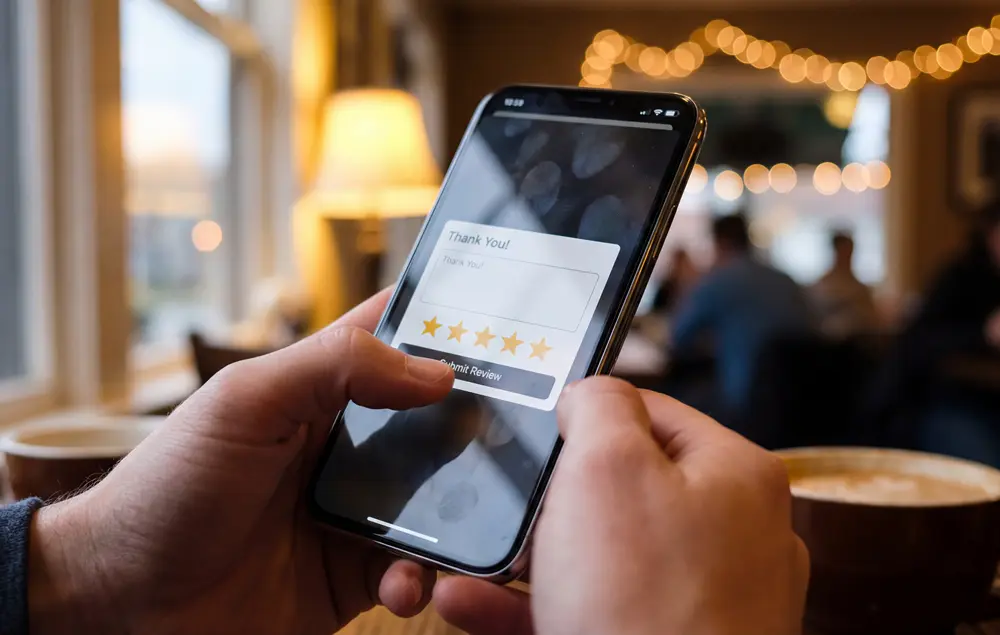
- Leave an honest, constructive, and timely review for the host once your stay is complete
- Mention specific things you appreciated about the property, the location, and the host’s communication in your review
- If there were issues during your stay, raise them in your review fairly and without exaggeration, focusing on facts rather than emotions
- If you have concerns that you did not raise during your stay, consider contacting the host privately before posting a public review
- Respond promptly to the host’s review of you if the platform allows for a guest response
- If you had an exceptional experience, consider recommending the property to friends, family, or colleagues who travel to the same area
Frequently Asked Questions
What do hosts look for when deciding whether to approve a guest’s booking request?
Hosts evaluate several factors when reviewing a booking request. The most important are the guest’s review history from previous stays, which shows how other hosts experienced them as a guest. Hosts also look at whether the guest’s profile is complete, including a verified photo and a short personal bio, as incomplete profiles can suggest a lack of seriousness or transparency. The introductory message the guest sends with their booking request is also a significant factor. A message that clearly states the guest’s name, the purpose of the trip, and who will be staying communicates honesty and professionalism. Guests who ask thoughtful questions about the property before booking are generally viewed more favorably than those who book without any communication and then ask for clarifications after payment is confirmed.
How should I handle it if the property does not match the listing description when I arrive?
If you arrive and find that the property significantly misrepresents what was listed, the correct first step is to document the discrepancy with photos and contact the host immediately through the platform’s messaging system. Describe specifically what is different from the listing and give the host a reasonable opportunity to respond and offer a resolution. Most hosts will work quickly to address legitimate concerns because their reviews and platform standing depend on guest satisfaction. If the host is unresponsive or unable to resolve a significant problem, contact the booking platform’s customer support. Most platforms have a policy that protects guests when a property is materially different from its listing, which may include rebooking assistance or a refund. The key is to act quickly, document everything in writing, and follow the platform’s established resolution process.
Is it acceptable to ask the host for a discount or special rate?
It is generally acceptable to ask a host about pricing flexibility, but how and when you ask matters greatly. The most appropriate time to discuss pricing is before you confirm your booking, not after. You can send the host a polite message explaining your situation, for example that you are planning a longer stay or traveling during a quieter period, and ask whether there is flexibility on the rate. Many hosts are open to offering small discounts for extended stays or last-minute bookings that would otherwise go unfilled. What is not acceptable is attempting to negotiate the price down after your booking is confirmed, or using the threat of a negative review to pressure the host into offering a discount. This kind of behavior is considered a violation of most platform terms of service and will almost certainly result in a negative guest review that will follow your profile to future bookings.
Expert Author Bio: Randy Alta