Etiquette When Staying in a Transient House
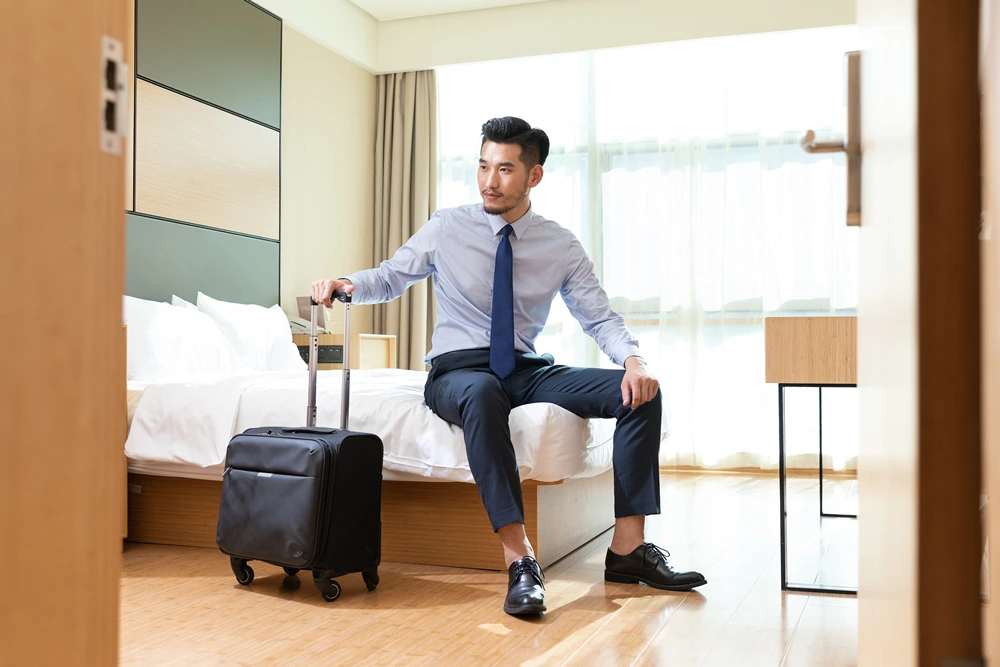
Staying in a transient house, whether it is a short-term rental, a vacation home, a serviced apartment, or a private room listed on a booking platform, offers a level of comfort, privacy, and local flavor that hotels often cannot match. You get a kitchen, a living room, a neighborhood, and the feeling of actually living somewhere rather than passing through it.
But with that comfort comes responsibility. A transient house is someone’s home or investment property, not a hotel managed by a professional staff that resets everything between guests. The way you treat the space, the host, and the neighbors has real consequences for the property, for future guests, and for your own reputation as a traveler.
This guide covers the essential etiquette rules every transient house guest should follow, from the moment you book to the moment you check out. Following these guidelines protects you, supports your host, and ensures you leave a positive impression that earns you strong reviews and opens doors to better stays in the future.
Why Guest Etiquette Matters in a Transient House
Unlike hotels, transient houses operate on a system of mutual trust and accountability. Hosts invest in their properties, open them to strangers, and rely on honest, respectful guests to keep that investment intact. Guests rely on accurate listings, clean spaces, and responsive hosts. The relationship works when both sides hold up their end.
Reasons why good guest etiquette matters:
- Transient houses are often someone’s primary residence, a secondary home with sentimental value, or a small business that supports a family’s income
- Damage, excessive mess, or rule violations can result in financial loss for the host that goes far beyond the nightly rate
- Platforms like Airbnb and Vrbo use two-way review systems, meaning hosts review guests just as guests review hosts
- A poor guest review can prevent you from booking desirable properties in the future
- Respectful behavior protects your security deposit and prevents disputes after checkout
- Your conduct affects the neighbors, the local community, and the host’s ability to continue operating their rental
Before You Arrive: Etiquette Starts at Booking
Good guest behavior begins well before you walk through the door. The booking process sets the tone for your entire relationship with the host.
Etiquette rules to follow before arrival:
- Read the entire listing carefully, including the description, house rules, cancellation policy, and any notes about the property’s layout or limitations
- Be honest in your booking request about how many guests will be staying, including children and infants
- Do not attempt to sneak in extra guests who were not included in your booking without discussing it with the host first
- Ask questions before you book rather than after, especially about anything that could affect your comfort or plans
- Notify the host of any specific needs or concerns, such as accessibility requirements, late arrivals, or dietary restrictions if meals are included
- Respect the host’s response time and do not send repeated messages if they have not replied within a few hours
- Review the check-in and check-out times carefully and plan your arrival and departure accordingly
- Contact the host in advance if you expect to arrive outside the stated check-in window
Checking In: First Impressions and First Responsibilities
The check-in process is your first direct interaction with the host and the property. Approach it with care and attention.
Check-in etiquette guidelines:
- Arrive within the agreed check-in window whenever possible and notify the host promptly if your plans change
- Do a quick walkthrough of the property when you arrive and note any pre-existing damage, broken items, or cleanliness issues
- Report any pre-existing problems to the host immediately and in writing, through the platform’s messaging system if possible, so there is a clear record
- Take photos or short videos of any pre-existing damage as documentation before you settle in
- Locate the emergency exits, fire extinguisher, first aid kit, and any posted emergency contacts or house rules guides
- Review the host’s house manual or welcome guide if one is provided, as it typically contains important instructions about appliances, trash disposal, parking, and building rules
During Your Stay: How to Treat the Property
How you treat the property day to day is the core of good guest etiquette. The standard to hold yourself to is straightforward: treat the space as you would want a guest to treat your own home.
General property care rules:
- Keep the property reasonably clean throughout your stay, not just on the last day
- Clean up spills and messes promptly rather than leaving them to set or accumulate
- Use coasters under glasses and hot pads under pots and pans to protect surfaces
- Handle furniture, appliances, and decor with care and do not move heavy furniture without a good reason
- Keep doors and windows properly closed and locked when you leave to protect the property from weather and intruders
- Follow any specific instructions the host has provided about the HVAC system, water heater, or other utilities
- Do not leave candles or incense burning unattended, and check whether these are permitted by the house rules before using them
- Avoid using the property for any commercial activity, photo shoots, or events unless you have received explicit written permission from the host
Kitchen etiquette:
- Wash dishes, pots, and cooking utensils after each use rather than leaving them to pile up in the sink
- Store any food you purchase in sealed containers to prevent pests
- Clean the stovetop and countertops after cooking
- Do not use more kitchen supplies or pantry items than what the host has indicated are available for guest use
- Empty the coffee maker and clean it if you use it regularly
- Check whether the dishwasher is for guest use and run it before you leave if it is full
Bathroom etiquette:
- Keep the bathroom reasonably tidy throughout your stay
- Wipe down the sink, counter, and shower after use to prevent soap scum and water stains
- Dispose of personal hygiene items, cotton rounds, and similar products in the trash, never in the toilet
- Hang wet towels to dry rather than leaving them on the floor, where they can damage surfaces and develop mildew
- Report any plumbing issues, such as a slow drain or running toilet, to the host promptly
Bedroom etiquette:
- Use the beds with care and avoid sitting on the bed with outdoor clothing or shoes
- Fold or put away your personal belongings rather than spreading them across every surface
- Do not use electric blankets, heating pads, or plug-in devices that were not provided by the host without checking first, as they can trip circuit breakers or create fire hazards
Noise and Neighbor Etiquette
In a transient house, you are almost always part of a larger community. You may share walls with neighbors, live in a building with other units, or stay in a quiet residential neighborhood. Your behavior affects people beyond the property line.
Noise etiquette rules to follow:
- Observe the quiet hours listed in the house rules, which typically fall between 10 PM and 8 AM
- Keep music, television, and conversation at a volume that would not disturb someone sleeping in the adjacent unit or home
- Avoid loud gatherings, parties, or events unless the host has specifically permitted them
- Do not bring in additional guests or visitors who were not part of your original booking without the host’s knowledge
- Keep noise levels in mind when arriving late at night or leaving early in the morning
- Be especially mindful of noise in stairwells, hallways, and shared outdoor areas
Outdoor and shared space etiquette:
- Keep shared outdoor areas like balconies, gardens, and parking spaces tidy
- Do not store personal belongings in shared spaces without permission
- Follow any rules about outdoor music, barbecue use, or pool hours if these amenities are available
- Be friendly and respectful toward other guests or building residents you encounter in shared spaces
Pets, Smoking, and Other Special Situations
Some behaviors fall into a gray area that guests sometimes overlook until they realize they have violated a house rule.
Pets:
- Never bring a pet to a transient house that does not explicitly permit pets
- If pets are allowed, keep them off the furniture unless the host has indicated this is acceptable
- Clean up after your pet in the yard, on the balcony, and in any shared outdoor areas
- Report any pet-related damage to the host before checkout
Smoking:
- Respect the property’s smoking policy completely, as smoking indoors in a non-smoking property can result in significant cleaning charges and deodorization fees that far exceed your deposit
- If smoking is permitted outdoors, use the designated area and dispose of cigarette butts properly
Additional guests and visitors:
- Never allow people who are not registered guests to stay overnight at the property
- If you want to have a friend or family member visit during the day, ask the host first
- Keep your guest count within the maximum occupancy stated in the listing
Checkout Etiquette: Leave the Property as You Found It
Checkout is your final opportunity to demonstrate that you are a respectful guest. How you leave the property directly impacts the review you receive and the host’s costs for preparing the space for the next guest.
Standard checkout responsibilities:
- Strip the beds and leave the used linens as instructed by the host, either in a pile near the washing machine or at the foot of the bed
- Wash any remaining dishes and put them away
- Empty all trash cans and take garbage to the designated disposal area or bins
- Wipe down kitchen counters, the stovetop, and the dining table
- Clean out the refrigerator and discard any food you will not be taking with you
- Check every room, drawer, closet, and cabinet for personal belongings before you leave
- Return furniture to its original position if you moved anything
- Lock all windows and doors and return keys, access cards, or parking permits as instructed
- Leave the property at or before the stated checkout time and notify the host if you are running behind
After checkout:
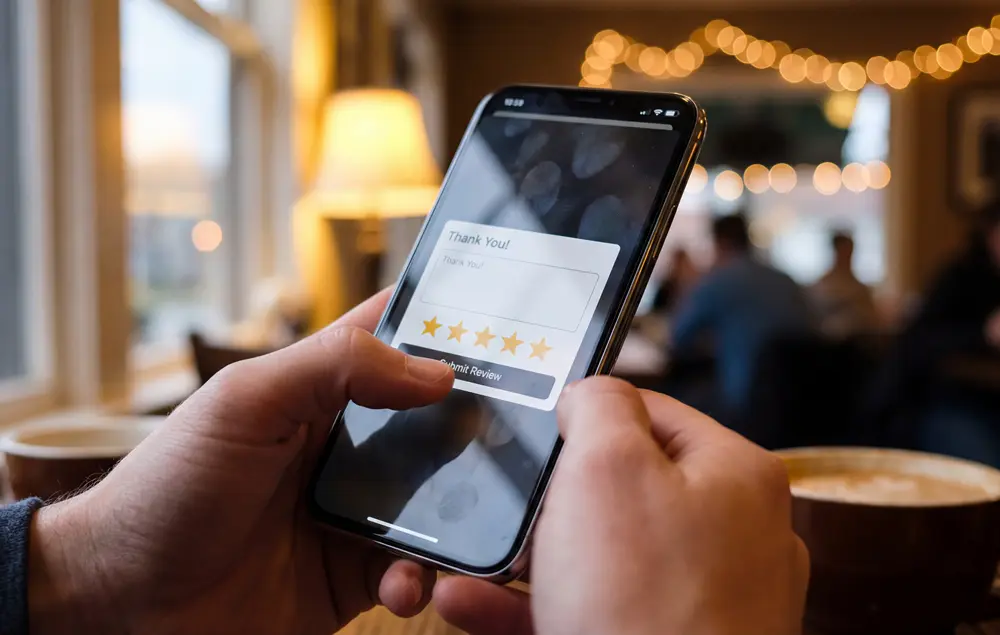
- Leave an honest and constructive review for the host once your stay is complete
- Contact the host privately if you have concerns about the stay before leaving a negative public review, as many issues can be resolved directly
- Respond promptly if the host reaches out after your checkout regarding any questions or follow-up
Frequently Asked Questions
What should I do if I accidentally damage something in a transient house?
The correct thing to do is report the damage to the host as soon as it happens, before checkout. Most hosts appreciate honesty far more than discovering damage after a guest has left without mentioning it. Contact the host through the booking platform’s messaging system so there is a written record of the conversation. Describe what happened, provide photos if possible, and express your willingness to cover the cost of repair or replacement. Most booking platforms have a resolution process for handling accidental damage claims, and many hosts carry damage protection insurance for exactly this kind of situation. Attempting to hide damage or check out without disclosing it almost always results in a worse outcome, including a formal dispute, a negative review, and a charge through the platform that may exceed what you would have paid if you had simply been upfront from the start.
Is it acceptable to have guests or visitors at a transient house during my stay?
Whether you can have visitors depends entirely on the host’s house rules, which you should read carefully before booking. Many hosts permit daytime visitors as long as the total number of people in the property at any one time stays within the maximum occupancy. However, overnight guests who were not included in your original booking are almost universally prohibited unless you have received explicit written permission from the host. The best approach is to message the host before your stay if you know you will want to have visitors, explain who they are and how long they will be there, and wait for a clear confirmation. Never assume something is permitted simply because the listing does not explicitly forbid it. Bringing in unregistered guests is one of the most common reasons hosts file complaints and leave negative guest reviews.
How much cleaning am I expected to do before checking out of a transient house?
The level of cleaning expected at checkout varies by property and is usually explained in the host’s house rules or welcome guide. Most hosts charge a cleaning fee precisely to cover the professional cleaning that happens between guests, so you are not expected to scrub the bathroom tiles or mop every floor before you leave. However, you are generally expected to leave the property in a reasonably tidy condition, which includes washing dishes, taking out the trash, wiping down kitchen surfaces, and leaving linens as instructed. Think of it as the difference between tidying up and deep cleaning. The cleaning fee covers the deep clean. Your responsibility is to avoid leaving the property in a state that requires extraordinary effort to restore, such as leaving food debris throughout the kitchen, overflowing trash, or a bathroom that has not been touched since you arrived. When in doubt, refer to the host’s checkout instructions, which most responsible hosts provide in writing.
Expert Author Bio: Randy Alta