Transient House vs Hotel: Which Is Better for Your Philippine Trip?
A transient house is generally better for travelers who want more space, privacy, and value for money, especially groups and families, while a hotel is better for travelers who prioritize professional service, consistent standards, and amenities like a pool or gym. The right choice depends on group size, budget, and how much you value hands-on hospitality versus independence.
Both options are widely available across the Philippines, from Metro Manila to Baguio, Cebu, and Boracay. This guide breaks down the practical differences so you can match your trip to the right type of stay.
Transient House vs Hotel at a Glance
| Factor | Transient House | Hotel |
|---|---|---|
| Typical cost for a group | Lower per person, especially for 4+ guests | Higher, since pricing is usually per room |
| Space | Full living area, often with kitchen | Standard room, limited common space |
| Privacy | High, self-contained unit | Moderate, shared hallways and lobby |
| Front desk service | Limited or owner-managed | 24-hour staffed front desk |
| Amenities | Basic to moderate, property-dependent | Pool, gym, restaurant common in mid to high-tier hotels |
| Check-in flexibility | Often flexible, sometimes self-check-in | Fixed standard check-in time |
| Booking process | Direct with owner or via booking platform | Standardized through hotel or travel sites |
| Cancellation policy | Varies widely by owner | Usually clearly stated and consistent |
Cost Comparison
For solo travelers or couples, a hotel room and a transient house unit can be similarly priced, sometimes with hotels offering better value due to bundled amenities. For groups of four or more, transient houses usually come out cheaper per head, since the rate is charged per unit rather than per room.
Transient House Costs
What’s Usually Included
A transient house rate typically covers the unit itself, basic utilities up to a certain usage, and access to furnishings like beds, a kitchen, and a living area.
What’s Usually Extra
Extra guests beyond the stated capacity, high electricity or aircon usage, and add-on services like early check-in are often billed separately. Our guide on hidden charges to check before booking a transient house covers this in more detail.
Hotel Costs
Hotel rates are typically all-inclusive of the room itself, though extras like room service, parking, or resort fees can still apply depending on the property tier.
Privacy and Space
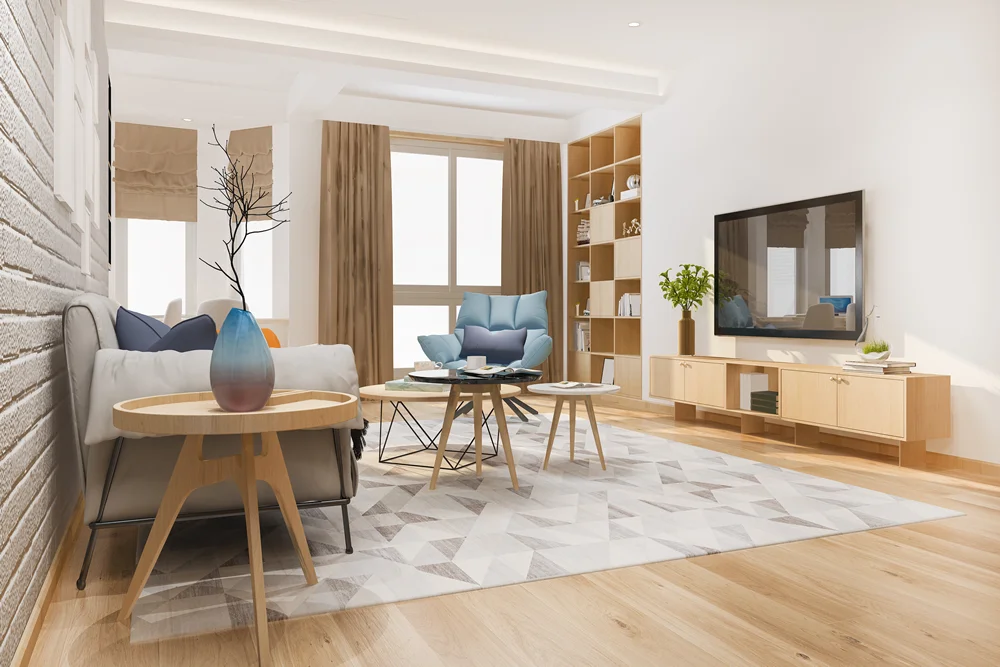
A transient house gives guests an entire unit to themselves, often with a separate living room, kitchen, and one or more bedrooms. This setup suits families who want to cook their own meals, groups who want a common area to hang out, and anyone who prefers not to share hallways or elevators with strangers.
Hotels, by comparison, offer a private room but guests still pass through shared lobbies, corridors, and sometimes shared elevators. For travelers who value that layer of staffed security and constant human presence, this trade-off can feel worth it.
Amenities and Services
| Amenity or Service | Transient House | Hotel |
|---|---|---|
| Kitchen or kitchenette | Common | Rare, except in serviced apartments |
| Daily housekeeping | Rare, usually once at check-in | Standard |
| Swimming pool | Sometimes, property-dependent | Common in mid to high-tier hotels |
| Room service | Rare | Common |
| Parking | Often available, confirm in advance | Usually available, sometimes with a fee |
| Wi-Fi | Usually included | Usually included |
| 24-hour front desk | Uncommon | Standard |
Flexibility and Booking Process
Transient houses tend to offer more flexible negotiation directly with the owner, including custom check-in times, extended stays, or special arrangements for large groups. Hotels operate on standardized systems, which means less room for negotiation but more predictability and consistency across every stay.
Best For Different Types of Travelers
Matching the accommodation type to the traveler is often more useful than asking which option is universally better, since a hotel and a transient house are built around genuinely different strengths. A traveler who values consistency, staffed service, and on-site amenities will usually feel the difference in a hotel almost immediately, while a traveler who values space, privacy, and cost efficiency for a group will feel the advantage of a transient house just as quickly.
| Traveler Type | Better Fit |
|---|---|
| Family of 5 or more | Transient house, for space and cost savings |
| Solo business traveler | Hotel, for reliability and amenities |
| Barkada trip | Transient house, for shared living space |
| Couple on a short getaway | Either, depending on desired amenities |
| OFW visiting relatives | Transient house, for a home-like stay |
| Traveler needing late-night check-in | Hotel, for guaranteed staffed access |
When a Hotel Makes More Sense
A hotel is the better choice when you need guaranteed 24-hour staff availability, hotel-grade amenities like a pool or gym, daily housekeeping, or a brand you already trust for consistency. It also tends to suit solo travelers and business trips where a predictable, professionally managed environment matters more than space.
When a Transient House Makes More Sense
A transient house makes more sense for groups and families who need multiple beds and a shared living space, travelers who want to cook their own meals, and anyone looking to stretch a travel budget further without sacrificing comfort. It also works well for longer stays, where a home-like setup feels more livable than a standard hotel room.
Real-World Cost Example: A Family Trip to Tagaytay
To see how the numbers actually play out, consider a family of six planning a two-night trip to Tagaytay. Booking two standard hotel rooms, each accommodating up to three guests, at a mid-range rate could easily add up to a significant total once taxes and service charges are included, since hotel pricing is charged per room rather than per group.
A three-bedroom transient house in the same area, by comparison, is often priced as a single flat rate per night regardless of whether it holds four guests or six, which usually brings the total cost for the same two nights well below the combined cost of two hotel rooms. Add in the ability to cook breakfast in the unit’s kitchen instead of buying every meal out, and the overall savings for a family trip become even more noticeable.
This pattern holds fairly consistently across popular Filipino getaway spots, including Baguio, Antipolo, and Subic, where transient houses are common alternatives to resort-style hotel stays. The savings become smaller, or can even reverse, for solo travelers or couples, since a two-person hotel room and a one-bedroom transient house unit are often priced within a similar range once fees on both sides are factored in.
Where the Trade-Off Shows Up
The savings from a transient house are clearest when a group is large enough to fill most of the unit’s capacity. A group of two booking a four-bedroom house, for instance, may find a smaller hotel room more cost-effective, since they would be paying for space and bedrooms they do not need.
Frequently Asked Questions
Is a transient house cheaper than a hotel?
For groups of four or more, a transient house is usually cheaper per person since the rate is charged per unit rather than per room. For solo travelers or couples, the cost can be comparable to a budget hotel room.
Do transient houses have 24-hour front desk service like hotels?
Most transient houses do not have a staffed front desk. Instead, guests usually coordinate directly with the owner or a caretaker for check-in, check-out, and any concerns during the stay.
Can I get a refund if I cancel a transient house booking?
Refund policies vary by owner and are usually less standardized than hotel cancellation policies. It is best to confirm the exact refund terms, including any non-refundable portion of the reservation fee, before booking.
Are transient houses safer than hotels?
Both can be safe when booked through verified, reputable sources. Hotels offer round-the-clock staff presence, while transient houses rely more on the owner’s own security measures, so checking reviews and confirming host verification matters more when choosing a transient house.
Which is better for a family of 6?
A transient house is typically the better fit for a family of six, since it offers more bedroom space, a shared living area, and often a kitchen, at a lower overall cost than booking multiple hotel rooms.
Expert Author Bio: Randy Alta