Top 5 Tourist Attractions in Metro Manila: A Complete Guide for Visitors
Metro Manila is the beating heart of the Philippines, a sprawling metropolis of more than sixteen cities and municipalities that blends centuries of history with modern urban energy. For most visitors arriving in the Philippines, Metro Manila is the first stop, and it offers far more than just a gateway to the rest of the country. From colonial-era forts and world-class museums to massive shopping complexes and vibrant cultural districts, the metro has attractions that appeal to history lovers, families, food enthusiasts, and curious travelers alike.
This guide covers the top five tourist attractions in Metro Manila, what makes each one worth visiting, what to expect when you arrive, and practical tips to help you plan a smooth and memorable visit.
Why Metro Manila Deserves Time on Your Itinerary
Many travelers treat Metro Manila as a layover destination on their way to the beaches of Palawan or Cebu, but this overlooks a city with genuine depth and character. Metro Manila tells the story of the Philippines in a way no other destination in the country can.
Reasons to spend real time exploring Metro Manila:
- It is home to the oldest Spanish colonial settlement in the Philippines, preserved almost entirely intact
- The metro houses the country’s most significant museums, galleries, and cultural institutions
- It offers some of the best and most diverse food in the country, from historic restaurants to modern dining districts
- Shopping and entertainment options in Metro Manila are unmatched anywhere else in the Philippines
- The city provides insight into Filipino history, from pre-colonial times through Spanish rule, American occupation, and the modern republic
- Most international and domestic flights connect through Metro Manila, making it a natural base for exploring before heading to other destinations
1. Intramuros
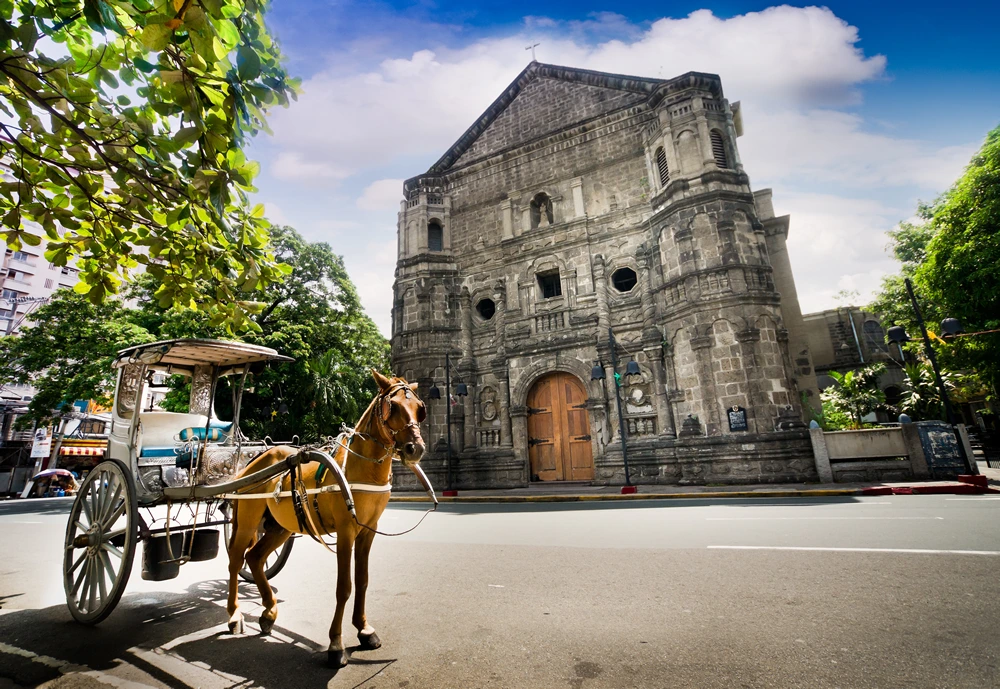
Intramuros, which means “within the walls” in Latin, is the historic walled city built by Spanish colonizers in the 16th century. It remains the single most important historical site in Metro Manila and one of the best-preserved colonial districts in all of Southeast Asia.
What makes Intramuros essential:
- The district is enclosed by massive stone walls that have stood for more than 400 years, with several original gates and bastions still intact
- Fort Santiago, located within Intramuros, was the primary defense fortification of the city and later served as the prison cell of national hero Jose Rizal before his execution
- San Agustin Church, the oldest stone church in the Philippines and a UNESCO World Heritage Site, showcases stunning Baroque architecture and houses a museum of religious artifacts
- Manila Cathedral stands as the seat of the Archdiocese of Manila and has been rebuilt multiple times throughout its history due to fires, earthquakes, and wartime destruction
- Casa Manila is a recreated Spanish colonial-era house museum that offers a vivid look into the lifestyle of wealthy Filipino families during the colonial period
- Walking or biking tours through the cobblestone streets give visitors a tangible sense of life during the Spanish colonial era
- Calesa, the traditional horse-drawn carriage, remains available for tourists who want a leisurely ride through the historic streets
Tips for visiting Intramuros:
- Visit early in the morning to avoid the heat and the midday crowds
- Wear comfortable walking shoes, as much of the district is best explored on foot
- Hire a licensed local guide if you want deeper historical context, as many of the most meaningful details are not posted on signage
- Set aside at least half a day if you want to visit Fort Santiago, San Agustin Church, and Casa Manila in a single trip
- Bring water and sun protection, as the open plazas offer limited shade
2. Rizal Park (Luneta Park)
Rizal Park, commonly called Luneta, is one of the largest and most historically significant urban parks in Asia. Located just outside the walls of Intramuros, it sits on the very ground where national hero Jose Rizal was executed by Spanish colonial authorities in 1896, making it one of the most sacred sites in Philippine history.
What makes Rizal Park worth visiting:
- The Rizal Monument marks the exact site of Rizal’s execution and stands as a solemn tribute to the man widely regarded as the Philippines’ greatest national hero
- The park hosts a daily flag ceremony, and a changing of the guard ceremony takes place at the monument
- The open lawns and gardens provide a welcome green space in the middle of the dense urban environment of Manila
- The Chinese Garden and Japanese Garden within the park offer quiet, contemplative spaces designed in traditional East Asian landscaping styles
- The National Museum complex sits adjacent to the park, making it easy to combine both attractions in a single visit
- Light and sound shows are occasionally held at the park in the evening, adding a layer of entertainment to its historical significance
- The park remains free to enter and is open to the public throughout the day
Tips for visiting Rizal Park:
- Visit in the late afternoon when temperatures cool down and the lighting is ideal for photos
- Combine your visit with a trip to the National Museum complex, which is within walking distance
- Be mindful and respectful at the Rizal Monument, as it remains an active site of national reverence and ceremony
- Bring cash if you plan to rent a paddle boat or purchase snacks from vendors within the park
3. National Museum Complex
The National Museum Complex, located near Rizal Park, is the premier cultural institution of the Philippines, housing the country’s most important collections of fine art, natural history, and anthropology. The complex consists of several buildings, each dedicated to a different area of focus.
What makes the National Museum Complex a must-visit:
- The National Museum of Fine Arts houses the Spoliarium, the largest painting in the Philippines and the masterwork of Juan Luna, alongside an extensive collection of works by Filipino artists across different eras
- The National Museum of Anthropology showcases the cultural heritage of the Philippines’ diverse ethnolinguistic groups, including textiles, pottery, weapons, and artifacts from across the archipelago
- The National Museum of Natural History features a striking dome-shaped atrium and extensive exhibits on Philippine biodiversity, geology, and wildlife
- Admission to the National Museum is free for all visitors, making it one of the most accessible world-class cultural experiences in the country
- The buildings themselves, originally constructed during the American colonial period, are architecturally significant and beautifully restored
- Rotating special exhibitions regularly bring new content to the museum complex throughout the year
Tips for visiting the National Museum Complex:
- Set aside a full day if you want to explore all three main museum buildings thoroughly
- Check the museum’s operating schedule in advance, as some sections may have different hours or be closed on specific days for maintenance
- Bring a valid ID, as registration is sometimes required at the entrance even though admission is free
- Wear comfortable shoes, as the museum buildings are large and require significant walking between exhibits
- Photography is generally allowed in most areas, but check posted signage near specific artworks or artifacts that may have restrictions
4. Manila Ocean Park
Manila Ocean Park is one of the most popular family attractions in Metro Manila, offering an extensive oceanarium and a range of marine-themed exhibits located right along Manila Bay, adjacent to Rizal Park.
What makes Manila Ocean Park appealing:
- The Oceanarium features a walkthrough tunnel surrounded by thousands of marine species, including sharks, rays, and a wide variety of tropical fish
- Sea Lion Show and other live animal presentations offer engaging entertainment suitable for visitors of all ages
- The Jellies Exhibit showcases different species of jellyfish in beautifully lit tanks, creating one of the most photogenic spots in the park
- The Trails to Antarctica exhibit allows visitors to get close to penguins in a specially designed cold environment
- Birds of Prey and other themed exhibits add variety beyond the marine focus of the park
- The park includes restaurants, shops, and additional entertainment options, making it easy to spend several hours without needing to leave
- Its location along Manila Bay means visitors can also enjoy bay views and a beautiful sunset after their visit
Tips for visiting Manila Ocean Park:
- Purchase tickets in advance online when possible to avoid long queues at the entrance, especially during weekends and holidays
- Visit on a weekday if your schedule allows, as weekends tend to draw large crowds, particularly families with children
- Check the show schedule upon arrival so you can plan your visit around the sea lion show and other timed presentations
- Bring a light jacket if you plan to visit the penguin exhibit, as the temperature inside is kept significantly cooler
- Combine your visit with a walk through nearby Rizal Park or a sunset view along Manila Bay to make the most of the location
5. Bonifacio Global City (BGC)
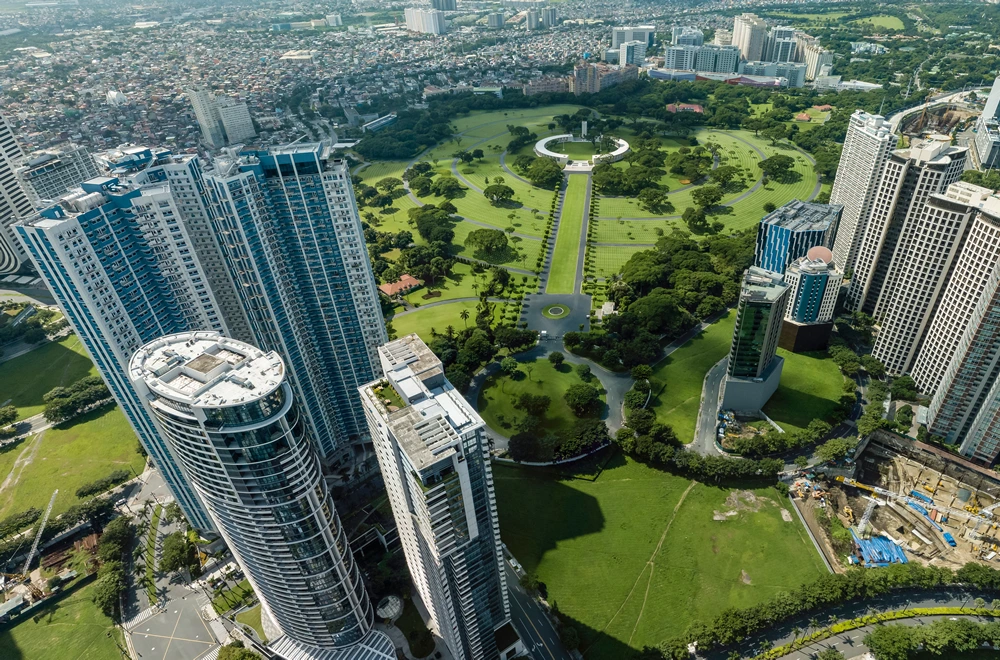
Bonifacio Global City, commonly known as BGC, represents the modern face of Metro Manila. This master-planned business and lifestyle district in Taguig City offers a sharp contrast to the historical attractions elsewhere in the metro, with sleek architecture, expansive green spaces, and a thriving food and entertainment scene.
What makes BGC a top attraction:
- The district is known for its wide, pedestrian-friendly streets, a rarity in Metro Manila, making it one of the most walkable areas in the entire metro
- High Street and the adjacent Track 30th offer open-air shopping, dining, and entertainment in a clean, modern setting
- The area is home to an extensive selection of restaurants representing cuisines from around the world, alongside well-loved Filipino dining establishments
- Art installations and public sculptures are scattered throughout the district, giving it a distinct creative character
- BGC hosts numerous events throughout the year, including night markets, fun runs, art fairs, and seasonal festivals
- The district offers excellent nightlife options, with rooftop bars, lounges, and live music venues catering to a wide range of preferences
- BGC is also a major hub for serviced apartments, condominiums, and transient houses, making it a convenient and comfortable base for travelers who want easy access to dining, shopping, and business districts
Tips for visiting BGC:
- Visit in the late afternoon or evening when the temperature cools down and the district’s restaurants and bars come alive
- Explore on foot, as the wide sidewalks and pedestrian zones make walking the most enjoyable way to experience the area
- Check for scheduled night markets or weekend events, which often feature local food vendors, crafts, and live entertainment
- Use ride-hailing apps or taxis to get to and from BGC, as the district is somewhat removed from Metro Manila’s main rail transit lines
- Consider staying in a transient house or serviced apartment within BGC if you want a central, modern base for exploring the rest of Metro Manila
Practical Tips for Exploring Metro Manila
Visiting multiple attractions across a sprawling metro area requires some planning. These general tips will help you navigate Metro Manila more efficiently.
General tips for tourists in Metro Manila:
- Traffic in Metro Manila can be heavy, especially during rush hour from 7 to 9 in the morning and 5 to 8 in the evening, so plan your travel times accordingly
- Ride-hailing apps are widely used and generally reliable for getting around the city
- The LRT and MRT rail systems connect several major areas of the metro and can be faster than road travel during heavy traffic, though they can get crowded during peak hours
- Carry small bills and coins for tricycle rides, jeepney fares, and smaller vendors who may not have change for larger denominations
- Stay hydrated and wear breathable clothing, as the Philippines maintains a tropical climate with high humidity throughout most of the year
- Group nearby attractions together in your itinerary, such as visiting Intramuros, Rizal Park, the National Museum Complex, and Manila Ocean Park on the same day since they are all located close to one another
- Consider basing yourself in a transient house or serviced apartment in a central area such as BGC or Manila Bay to minimize travel time between attractions
Frequently Asked Questions
How many days should I spend exploring Metro Manila’s top attractions?
Two to three full days is generally enough time to comfortably visit the top attractions in Metro Manila without feeling rushed. A practical approach is to dedicate one day to the historical cluster of Intramuros, Rizal Park, and the National Museum Complex, since these three attractions are located close together and can be explored in sequence. A second day can be set aside for Manila Ocean Park combined with a relaxed walk along Manila Bay, particularly in the late afternoon to catch the sunset. A third day works well for exploring BGC, including its shopping, dining, and evening entertainment options. Travelers with limited time can compress this into two days by prioritizing the historical sites on one day and choosing between Manila Ocean Park and BGC on the other, depending on whether they are traveling with children or are more interested in dining and nightlife.
Are these attractions suitable for families traveling with children?
Yes, all five attractions on this list offer something valuable for families traveling with children, though some are better suited to younger visitors than others. Manila Ocean Park is specifically designed with families in mind, offering interactive exhibits, live animal shows, and a controlled, comfortable environment that appeals strongly to children of all ages. Rizal Park offers open green spaces where children can run around, along with paddle boats and gardens that provide a relaxed, low-pressure environment. Intramuros and the National Museum Complex are more educational in nature and tend to resonate best with school-age children who have some context for Philippine history, though calesa rides through Intramuros are typically a hit with younger kids as well. BGC, with its open spaces, art installations, and family-friendly restaurants, works well for families seeking a more modern and relaxed outing, particularly in the late afternoon and early evening when the temperature is more comfortable for walking around with children.
Is it better to stay in Intramuros or BGC if I want to visit all five attractions?
Staying in or near BGC is generally the more practical choice for visitors who want convenient access to all five attractions, primarily because BGC offers a wider range of modern accommodation options, including transient houses, serviced apartments, and hotels, along with reliable access to ride-hailing services. From BGC, Intramuros, Rizal Park, the National Museum Complex, and Manila Ocean Park are all reachable within a reasonable car ride, typically between twenty and forty minutes depending on traffic. Staying within or very near Intramuros offers the advantage of being within walking distance of the historical attractions and provides a unique experience of waking up inside a centuries-old walled city, but it places you farther from BGC’s dining and nightlife options and may require longer travel times to reach Manila Ocean Park. Travelers who prioritize historical immersion may prefer staying near Intramuros, while those who want a more balanced, modern base with easy access to all five attractions will generally find BGC more convenient.
Expert Author Bio: Randy Alta