Local Festivals Worth Visiting in the Philippines
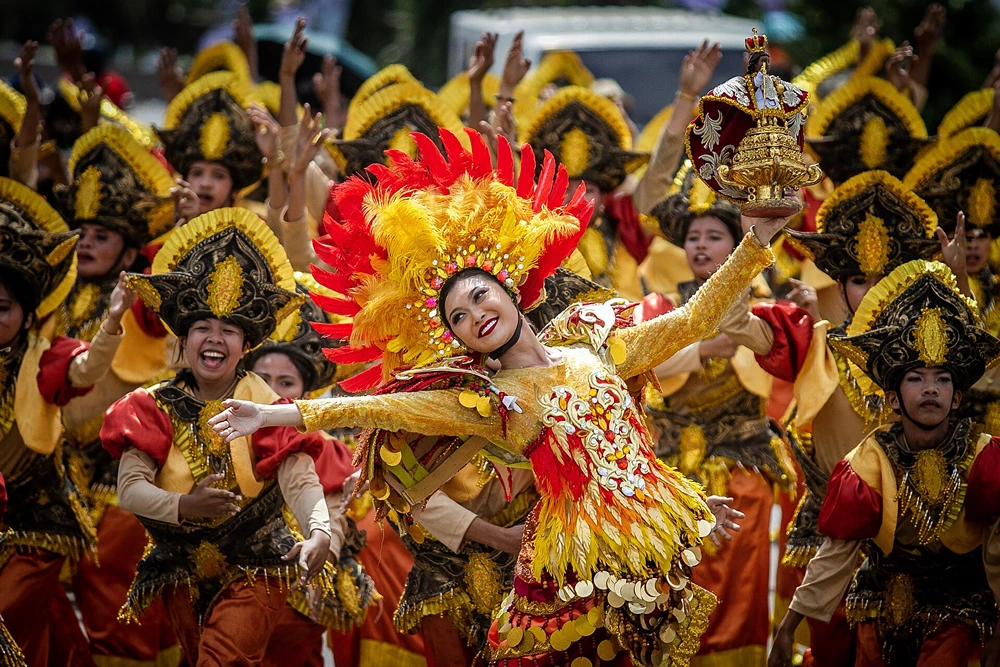
The Philippines is one of the most festival-rich countries in the world. With more than 7,600 islands, over 100 distinct ethnolinguistic groups, and a cultural history shaped by indigenous traditions, Spanish colonial influence, and Asian heritage, the country produces an extraordinary variety of celebrations throughout the year. Filipinos refer to these festivals as “fiestas,” and they are woven into the fabric of everyday life from the smallest barangay to the largest city.
Whether you are a local looking to explore beyond your own region or a foreign traveler planning your first visit to the Philippines, understanding which festivals are worth your time and how to experience them well makes all the difference. This guide covers the country’s most celebrated and visually stunning festivals, what makes each one unique, and practical advice for attending them.
Why Philippine Festivals Are Unlike Anything Else in Asia
Philippine festivals stand apart from celebrations elsewhere in the region for several reasons. First, they are deeply communal. Entire towns shut down their usual routines to prepare for and participate in their patron saint’s feast day or a civic celebration that defines local identity. Second, they are extraordinarily visual. The country’s festivals are known worldwide for elaborate costumes, large-scale street dancing competitions, and colorful parades that can stretch for hours.
What makes Philippine festivals distinctive:
- Most festivals are rooted in Catholic devotion and are tied to the feast day of a town’s patron saint
- Many involve months of preparation, with local schools, barangays, and civic organizations competing in street dancing and float competitions
- Indigenous festivals in the Cordillera, Mindanao, and Visayas regions predate Spanish colonization and preserve ancient rituals
- Food is central to every celebration, with each region showcasing its signature dishes and delicacies
- Hospitality is a defining feature: locals often open their homes to strangers and welcome visitors as honored guests
- No two festivals are exactly alike, even when they celebrate the same occasion, because every province adds its own cultural flavor
The Most Famous Philippine Festivals Worth Visiting
Sinulog Festival, Cebu City (January)
Sinulog is widely considered the grandest festival in the Philippines. Held every third Sunday of January in Cebu City, it honors the Santo Nino, the Child Jesus, whose image was given to Cebuano chieftain Rajah Humabon by Ferdinand Magellan in 1521. The festival draws millions of attendees from across the country and around the world.
Highlights of Sinulog:
- The Grand Parade and Street Dancing Competition, where contingents from different cities and municipalities perform elaborate choreographed routines in stunning costumes
- The Solemn Procession carrying the image of the Santo Nino through the streets of Cebu City
- The Sinulog Dance itself, a two-steps-forward and one-step-back movement said to mimic the current of the Pahina River
- Massive open-air concerts and parties in the days surrounding the main event
- A trade fair and food bazaar showcasing Cebuano products and regional cuisine
Book accommodation at least three to six months in advance. Hotels in Cebu City fill entirely during Sinulog week.
Ati-Atihan Festival, Kalibo, Aklan (January)
Often called the “Mother of All Philippine Festivals,” Ati-Atihan predates Spanish colonization and is one of the oldest celebrations in the country. Held in Kalibo, Aklan during the third week of January, it also honors the Santo Nino but incorporates indigenous Ati traditions that make it uniquely raw and participatory.
What sets Ati-Atihan apart:
- Participants paint their faces and bodies black with soot and ash in tribute to the indigenous Ati people
- Unlike many festivals where spectators watch from the sidelines, Ati-Atihan actively encourages everyone to join the street dancing
- The drumbeats that drive the festival are relentless and hypnotic, creating an atmosphere of collective celebration
- The chant “Hala Bira! Pwera Pasma!” echoes through the streets throughout the celebration
- The festival culminates in a grand parade on the final Sunday
Visitors are encouraged to come in costume. You can purchase face paint and costumes from vendors throughout Kalibo in the days leading up to the festival.
MassKara Festival, Bacolod City, Negros Occidental (October)
MassKara is known as the “Festival of Smiles” and was born in 1980 during one of the darkest periods in Bacolod’s history, when the city faced economic collapse and a maritime tragedy. The people of Bacolod created MassKara as a declaration of resilience and joy, and it has grown into one of the country’s most beloved celebrations.
MassKara highlights:
- The iconic smiling masks worn by all participants, each elaborately decorated with rhinestones, sequins, flowers, and feathers
- Street dancing competitions where performers wear stunning mask-and-costume combinations
- The Electric MassKara, a nighttime version of the street dancing with light-up costumes and LED-decorated floats
- A citywide party atmosphere with food fairs, concerts, and street performances throughout October
- The Maskara Queen pageant and other civic competitions that run alongside the main festival
MassKara takes place primarily during the week of October 19, coinciding with Bacolod City’s Charter Day.
Panagbenga Festival, Baguio City (February)
Panagbenga, which means “season of blooming” in the Kankanaey language, is Baguio City’s month-long flower festival held every February. It celebrates the city’s recovery from the devastating 1990 earthquake and showcases the natural beauty of the Cordillera region.
Panagbenga festival features:
- The Grand Float Parade, where floats made entirely of fresh flowers wind through the streets of Baguio
- The Street Dancing Parade, where performers in floral costumes fill Session Road
- Flower arrangements and horticultural exhibits at Burnham Park and across the city
- Trade fairs and cultural performances throughout the month of February
- Strawberry picking and farm visits in La Trinidad, Benguet, just outside the city
Baguio’s cool mountain climate makes February one of the most comfortable times to visit, but accommodation books out quickly during parade weekends.
Pahiyas Festival, Lucban, Quezon (May)
Pahiyas is a harvest festival held every May 15 in Lucban, Quezon, in honor of San Isidro Labrador, the patron saint of farmers. It is one of the most visually arresting festivals in the country because the celebration literally transforms the entire town.
What makes Pahiyas extraordinary:
- Every house in Lucban is decorated with kiping, which are leaf-shaped wafers made from rice flour in vibrant colors, along with fresh produce, fruits, vegetables, and handmade crafts
- The decorations are judged, and the winning households receive recognition from the town
- The streets become an open gallery of folk art and agricultural abundance
- Local food including pancit habhab, longganisang Lucban, and tikoy are available from vendors throughout the festival
- The event is a walking festival, meaning visitors explore the entire town on foot to see all the decorated homes
Lucban is about three hours from Manila by road. Day trip tours from Manila are widely available during Pahiyas week.
Kadayawan Festival, Davao City (August)
Kadayawan is Davao City’s signature festival, held every third week of August. The name comes from the greeting “madayaw,” which means good, beautiful, and valuable in the languages of the indigenous Lumad peoples of Mindanao. The festival celebrates the region’s abundant harvest, indigenous heritage, and cultural diversity.
Kadayawan highlights:
- The Indak-Indak sa Kadalanan, a street dancing competition featuring contingents from different barangays and schools
- The Pamulak Kadayawan floral float parade, where floats decorated with Davao’s tropical fruits and flowers pass through the city
- A tribal village exhibit featuring the costumes, crafts, music, and traditions of the eleven indigenous tribes of Davao
- Fruit stalls and food markets overflowing with Davao’s famous durian, mangosteen, pomelo, and marang
- Cultural nights featuring indigenous music, dance, and ritual performances
Davao City is accessible by direct flights from Manila, Cebu, and other major Philippine cities.
Moriones Festival, Marinduque (Holy Week)
Moriones is a unique Holy Week festival held exclusively on the island province of Marinduque. It dramatizes the legend of Longinus, the Roman soldier who pierced the side of Christ and was miraculously cured of his blindness when blood from the wound touched his eye. After converting to Christianity, Longinus was eventually martyred.
What distinguishes Moriones:
- Participants called Moriones wear elaborate wooden masks painted to resemble Roman soldiers, along with full Roman centurion costumes
- The Moriones roam the streets throughout Holy Week, interacting with and surprising bystanders in a game of chase
- On Easter Sunday, the capture and mock beheading of Longinus takes place in a dramatic public reenactment
- The festival blends Catholic devotion with theatrical tradition in a way found nowhere else in the Philippines
- Marinduque remains one of the quieter, more authentic festival experiences because of its island location and smaller crowds
Marinduque is reached by ferry from Lucena City in Quezon or by small aircraft from Manila.
Tips for Attending Philippine Festivals
Planning your visit around a Philippine festival requires some preparation. These events are popular, logistically complex, and often take place in cities where accommodation is limited relative to the demand.
Before you go:
- Book flights and accommodation as early as possible, ideally three to six months in advance for major festivals like Sinulog and Panagbenga
- Check the official festival dates each year, as some festivals fall on moving dates tied to specific Sundays or the Catholic calendar
- Research the specific schedule of events to identify which days feature the main parades and competitions
- Pack light, breathable clothing appropriate for outdoor crowds, along with comfortable walking shoes
- Bring cash, as many vendors and smaller establishments in festival towns do not accept credit cards
During the festival:
- Arrive at parade routes and viewing areas early to secure a good vantage point before crowds build
- Be respectful of religious components, particularly at processions, masses, and indigenous ceremonies
- Try the local food at every opportunity, as festivals are the best time to taste regional specialties prepared by local cooks
- Ask locals for their personal recommendations on where to eat, where to watch, and what not to miss
- Keep your belongings secure in crowded areas by using a crossbody bag or money belt
Frequently Asked Questions
What is the best Philippine festival for first-time visitors?
Sinulog in Cebu City is widely regarded as the best starting point for first-time visitors to Philippine festivals. It is the largest and most internationally recognized festival in the country, with world-class production values, a well-organized schedule, and excellent infrastructure for visitors. Cebu City itself is a major destination with a strong tourism industry, good accommodation options across all price ranges, great restaurants, and easy access from Manila and major international hubs. The sheer scale of the Grand Parade and the emotional power of the Solemn Procession make Sinulog an unforgettable introduction to Philippine festival culture. If you can attend only one Philippine festival, Sinulog is the one to choose.
Are Philippine festivals safe for foreign tourists?
Philippine festivals are generally safe for foreign tourists, and the overwhelming majority of visitors have positive experiences. However, all major festivals involve enormous crowds, which creates the usual risks associated with large public gatherings, including pickpocketing and general disorientation. Practical precautions include keeping your passport and valuables in a hotel safe, carrying only what you need for the day, staying aware of your surroundings in dense crowds, and keeping a local SIM card in your phone so you can communicate and navigate. It is also advisable to register with your country’s embassy or consulate if you are traveling during a major public event. The Filipino people are famously hospitable and generally go out of their way to help lost or confused visitors, so do not hesitate to ask for directions or assistance.
When is the best time of year to visit the Philippines for festivals?
January is the single richest month for Philippine festivals, with Sinulog in Cebu, Ati-Atihan in Kalibo, and Dinagyang in Iloilo all taking place within the same three-week period. Travelers who plan a two-week itinerary in January can realistically attend two or even three of these major festivals in sequence. February is excellent for Panagbenga in Baguio. May offers Pahiyas in Lucban and a wide range of patron saint fiestas across the country, as May 15 is the feast day of San Isidro Labrador celebrated by farming communities nationwide. August brings Kadayawan in Davao, while October is the time for MassKara in Bacolod. Holy Week, which falls between March and April depending on the year, is the time to visit Marinduque for Moriones. Essentially, there is no bad time of year to find a festival worth attending somewhere in the Philippines.
Expert Author Bio: Randy Alta