How to Turn Your Home into a Transient Rental: A Complete Guide
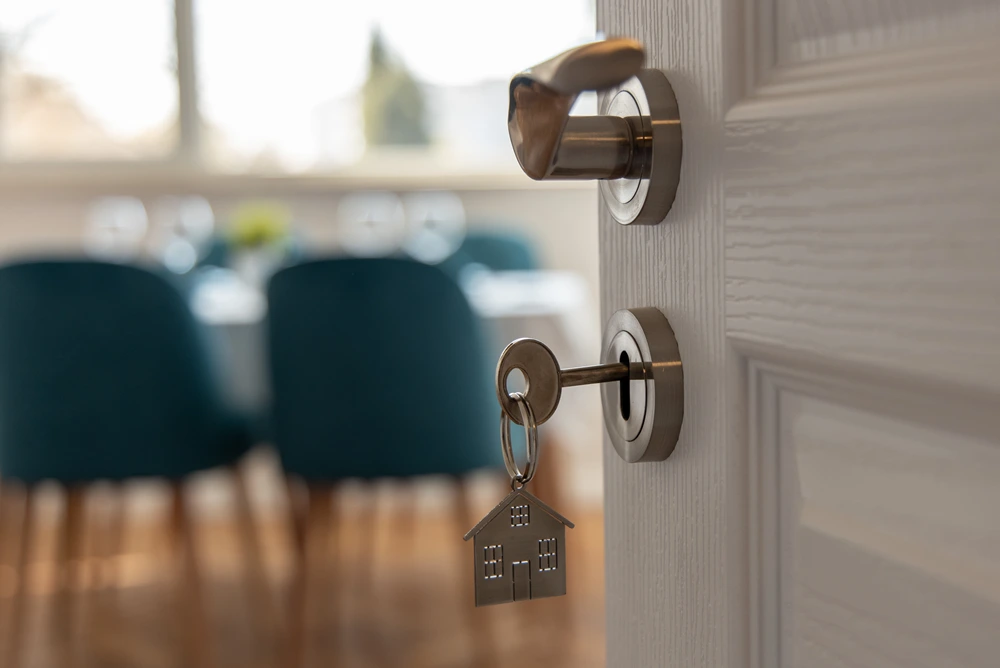
Turning your home into a transient rental is one of the most practical ways to generate extra income from a property you already own. Whether you have a spare room, a vacant unit, or a second home that sits empty for months at a time, the short-term rental market offers real earning potential. This guide walks you through every major step, from legal compliance and property preparation to pricing strategy and guest management, so you can launch your rental with confidence.
What Is a Transient Rental?
A transient rental is a residential property rented out for short periods, typically fewer than 30 consecutive days. Common platforms that facilitate transient rentals include Airbnb, Vrbo, Booking.com, and direct booking websites. Unlike traditional long-term leases, transient rentals allow you to retain ownership flexibility while earning nightly or weekly rates that often exceed what long-term tenants would pay monthly.
Step 1: Check Local Laws and Regulations
Before listing your home, research the rules that govern short-term rentals in your area. This is the most critical step because operating without proper authorization can result in fines, forced closure, or legal liability.
Key regulatory areas to investigate:
- Zoning ordinances that permit or restrict short-term rentals in residential zones
- Local ordinances requiring a transient rental permit or business license
- Homeowner Association (HOA) rules that may prohibit or limit short-term rentals
- Condominium association bylaws if your unit is in a condo building
- Maximum number of days per year you are allowed to rent
- Occupancy limits based on unit size or local fire codes
- Owner-occupancy requirements that mandate you live on the property
Contact your local city hall, housing department, or a local real estate attorney if you are unsure. Many cities have introduced transient rental ordinances in recent years, and the rules vary widely even within the same metropolitan area.
Step 2: Register Your Property and Obtain the Right Permits
Once you know the rules, register your property with the appropriate local authorities. Most jurisdictions that allow transient rentals require at least one of the following:
- A short-term rental permit or transient rental certificate
- A business license from your city or municipality
- A tax registration number for collecting transient occupancy tax (TOT), also called hotel or lodging tax
- A fire safety inspection or certificate of occupancy
Steps for registration typically include:
- Submit an application to your local government office (many are now online)
- Pay the required permit fee, which ranges from $50 to several hundred dollars depending on the city
- Schedule and pass any required inspections
- Display your permit number on all rental listings, as required in many jurisdictions
- Set up a system to collect and remit occupancy taxes from guests
Failure to register and collect taxes is one of the most common and costly mistakes new hosts make.
Step 3: Review Your Insurance Coverage
Standard homeowner’s insurance policies typically do not cover commercial rental activity. Before hosting your first guest, contact your insurance provider and ask directly whether short-term rental income voids or limits your coverage.
Insurance options to consider:
- Short-term rental insurance add-on riders through your existing provider
- Dedicated short-term rental insurance policies from companies specializing in this market
- Host protection programs offered by platforms like Airbnb, which provide limited liability and damage coverage but should not replace standalone insurance
- Umbrella liability policies that extend coverage beyond standard limits
Make sure your policy covers guest bodily injury on the property, damage caused by guests, theft of personal belongings, and loss of rental income due to a covered event.
Step 4: Prepare Your Property for Guests
Guest expectations in the short-term rental market are high. Properties that are clean, well-equipped, and thoughtfully designed consistently earn better reviews, higher occupancy rates, and the ability to charge premium nightly rates.
Physical preparation checklist:
- Deep clean every room, including behind appliances, inside closets, and under furniture
- Repair any visible damage such as broken fixtures, chipped paint, or stained grout
- Declutter and depersonalize spaces by removing excessive personal photos and keepsakes
- Secure or store valuables, important documents, and prescription medications
- Install quality locks on all doors, including interior locks for any storage areas guests should not access
- Test all appliances, electronics, and utilities before your listing goes live
Essential amenities guests expect:
- High-speed Wi-Fi with the password clearly posted
- Clean, pressed bed linens and extra sets for longer stays
- Sufficient towels, including pool or beach towels if your property is near water
- A fully stocked kitchen with basic cookware, dishes, utensils, a coffee maker, and pantry staples like salt, pepper, and cooking oil
- Toiletries including soap, shampoo, conditioner, and toilet paper (enough for the full stay plus extra)
- A washer and dryer or clear instructions on the nearest laundromat
- Basic cleaning supplies and a vacuum so guests can tidy up during longer stays
Amenities that increase bookings:
- Smart TV with streaming service access
- Dedicated workspace with good lighting and a comfortable chair
- Air conditioning and heating that guests can control
- Outdoor furniture or a private patio or balcony space
- A welcome basket with local snacks or beverages
- Printed or digital guidebook with local restaurant recommendations, transportation tips, and house rules
Step 5: Set Up Your Listing
Your listing is your sales pitch. A great listing combines compelling photos, an honest and detailed description, and competitive pricing to convert browsers into bookings.
Photography tips:
- Shoot during the day using natural light whenever possible
- Use a wide-angle lens to make spaces look open and inviting
- Stage every room before shooting: fluff pillows, straighten books, set the table, and add fresh flowers
- Include photos of every major room, outdoor spaces, building amenities, and the neighborhood
- Consider hiring a professional real estate photographer, as quality photos directly impact booking rates
Writing your listing description:
- Open with a compelling one or two sentence summary that highlights what makes your property unique
- List the number of bedrooms, bathrooms, beds, and maximum occupancy clearly
- Describe the layout and any notable features, such as a rooftop terrace, ocean view, or newly renovated kitchen
- Be transparent about any limitations, such as stairs with no elevator, street noise, or a shared wall
- Highlight proximity to popular attractions, transit, restaurants, and beaches or parks
House rules to include in your listing:
- Check-in and check-out times
- Smoking policy (on the property and any designated outdoor areas)
- Pet policy with any breed or size restrictions
- Quiet hours
- Maximum guest count and whether visitors beyond registered guests are allowed
- Parking instructions and limitations
- Rules about parties or events
Step 6: Price Your Rental Strategically
Pricing is one of the most powerful levers you can use to maximize your rental income. Pricing too high leads to low occupancy. Pricing too low leaves money on the table.
Factors that influence nightly pricing:
- Your property’s size, condition, and amenities
- Location and proximity to attractions or business districts
- Seasonal demand patterns in your market
- Local competition and what comparable properties charge
- Day of the week (weekends typically command higher rates)
- Special events, holidays, and local festivals
Pricing strategies used by successful hosts:
- Dynamic pricing: Adjust your rates based on real-time demand, using tools like Wheelhouse, Beyond Pricing, or PriceLabs
- Minimum stay requirements: Set two or three night minimums on weekends to increase your average booking value and reduce turnover
- Last-minute discounts: Offer reduced rates for bookings within 48 to 72 hours to fill gaps in your calendar
- Length-of-stay discounts: Provide weekly and monthly discounts to attract longer bookings that reduce turnover costs
Research your local market by browsing listings for similar properties in your neighborhood, noting their rates, occupancy calendars, and reviews.
Step 7: Manage Guest Communication and Check-In
Responsive and friendly communication is the foundation of five-star hosting. Guests who feel informed and supported leave better reviews and are more likely to return.
Communication best practices:
- Respond to all inquiries within one hour whenever possible
- Send a pre-arrival message three to five days before check-in with detailed instructions
- Provide check-in instructions, parking details, Wi-Fi credentials, and emergency contacts in a clear format
- Send a brief welcome message when guests check in to confirm their arrival and offer help
- Follow up within 24 hours of check-out to thank guests and encourage them to leave a review
Check-in options:
- Smart lock or keypad: Guests receive a unique access code, eliminating the need for key handoffs
- Lockbox: A physical key lockbox mounted near the entrance with a combination code
- In-person welcome: Meeting guests personally creates a warm first impression but requires your physical presence or a co-host
Step 8: Build a Reliable Operations System
Transient rentals require more active management than long-term rentals. Building a reliable system for cleaning, maintenance, and guest support prevents problems before they escalate.
Operational components to establish:
- A professional cleaning service experienced with short-term rentals that can turn over the property within a set window between checkouts and check-ins
- A maintenance contact list including a plumber, electrician, locksmith, and handyman who can respond quickly
- A supply restocking schedule so toiletries, paper goods, and pantry staples never run out
- A property management software tool such as Hostfully, Guesty, or Lodgify if you manage multiple listings or properties
- A clear policy for handling damage, which may include charging through platform resolution systems or your insurance
Frequently Asked Questions
How much money can I realistically make from a transient rental?
Earnings vary widely based on your location, property size, amenities, and how actively you manage the listing. In high-demand tourist cities or urban centers, well-managed short-term rentals can earn two to three times the equivalent long-term rental rate. In smaller markets or off-peak seasons, the income may be more modest. Research comparable listings in your area using tools like AirDNA or Mashvisor to get realistic revenue projections before you invest in setup costs.
Do I need to pay taxes on transient rental income?
Yes. Transient rental income is taxable at both the federal and local levels in most countries. In the United States, you must report rental income on your federal tax return. You are also typically required to collect and remit a transient occupancy tax (also called hotel tax or lodging tax) to your local government. Many major booking platforms collect and remit this tax on your behalf in jurisdictions where they are required to do so, but you should verify this for your specific location. Consult a tax professional who has experience with short-term rental income to ensure full compliance and to maximize allowable deductions.
What is the biggest mistake new short-term rental hosts make?
The most common and costly mistake is starting a transient rental without fully understanding local regulations and permitting requirements. Many new hosts list their property without a permit, fail to collect occupancy taxes, or violate HOA rules, which can result in significant fines, forced delisting, and legal disputes. The second most common mistake is underinvesting in the guest experience. Poor photos, a sparse description, and missing amenities result in low occupancy and negative reviews that are difficult to recover from. Taking the time to research regulations, prepare the property properly, and invest in quality photography before launching gives you a significant competitive advantage.
Expert Author Bio: Randy Alta