What Is a Transient House? Meaning, Features and How It Works
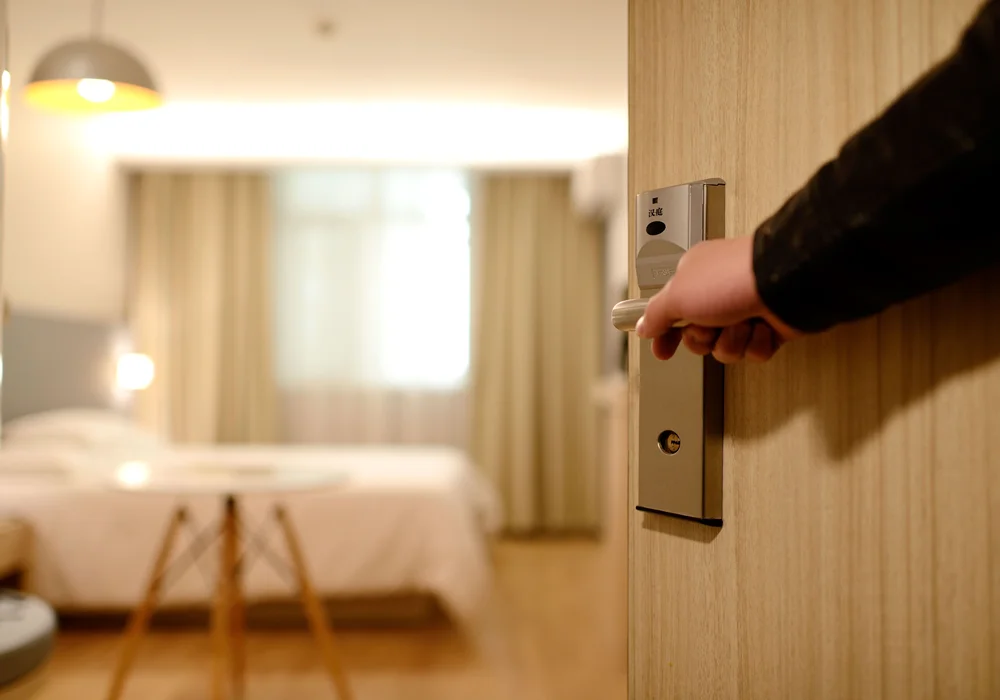
A transient house is a privately owned home, apartment, or condo unit rented out for short-term stays, ranging from a few hours to a few days, instead of the long-term leases typical of regular rentals. In the Philippines, the term is used broadly for any furnished space booked on a temporary basis, often as a budget-friendly or more private alternative to a hotel room.
For Filipino travelers, transient houses have become a common choice for weekend getaways, family reunions, business trips, and even short layovers near airports. Understanding what a transient house actually offers, and how it differs from other lodging options, helps guests choose the right stay and avoid surprises at check-in.
What Does “Transient House” Mean in the Philippines?
In everyday Filipino usage, a “transient house” refers to any residential property, house, apartment, condo unit, or room, that is rented out temporarily rather than occupied long-term. The word “transient” reflects the nature of the stay itself: guests pass through for a short period, then move on.
Unlike a hotel, which is purpose-built and professionally operated as a hospitality business, a transient house is typically a residential unit that its owner has converted, fully or partly, into short-term rental accommodation. This is why transient houses often feel more like borrowing a relative’s condo than checking into a commercial establishment.
Some key distinctions:
| Term | What It Usually Means |
|---|---|
| Transient house | A privately owned residential unit rented short-term, often through a caretaker, owner, or online booking platform |
| Boarding house | A property rented long-term (weekly or monthly) to multiple tenants, usually with shared facilities |
| Hotel | A commercially licensed, professionally staffed lodging business with standardized services |
| Vacation rental | A broader international term for a furnished home rented short-term, similar in concept to a transient house |
Key Features of a Transient House
Short-Term, Flexible Stays
Most transient houses allow bookings by the night, and some accept bookings by the hour for guests who only need a place to rest, freshen up, or hold a short meeting. This flexibility is one of the biggest draws for travelers who do not need a full overnight stay.
Fully Furnished Living Spaces
A transient house typically comes with a bed, bathroom, basic kitchen or kitchenette, and living area, already furnished and ready to use. Guests do not need to bring furniture or appliances, only personal items.
Locations Near Transport Hubs and Business Districts
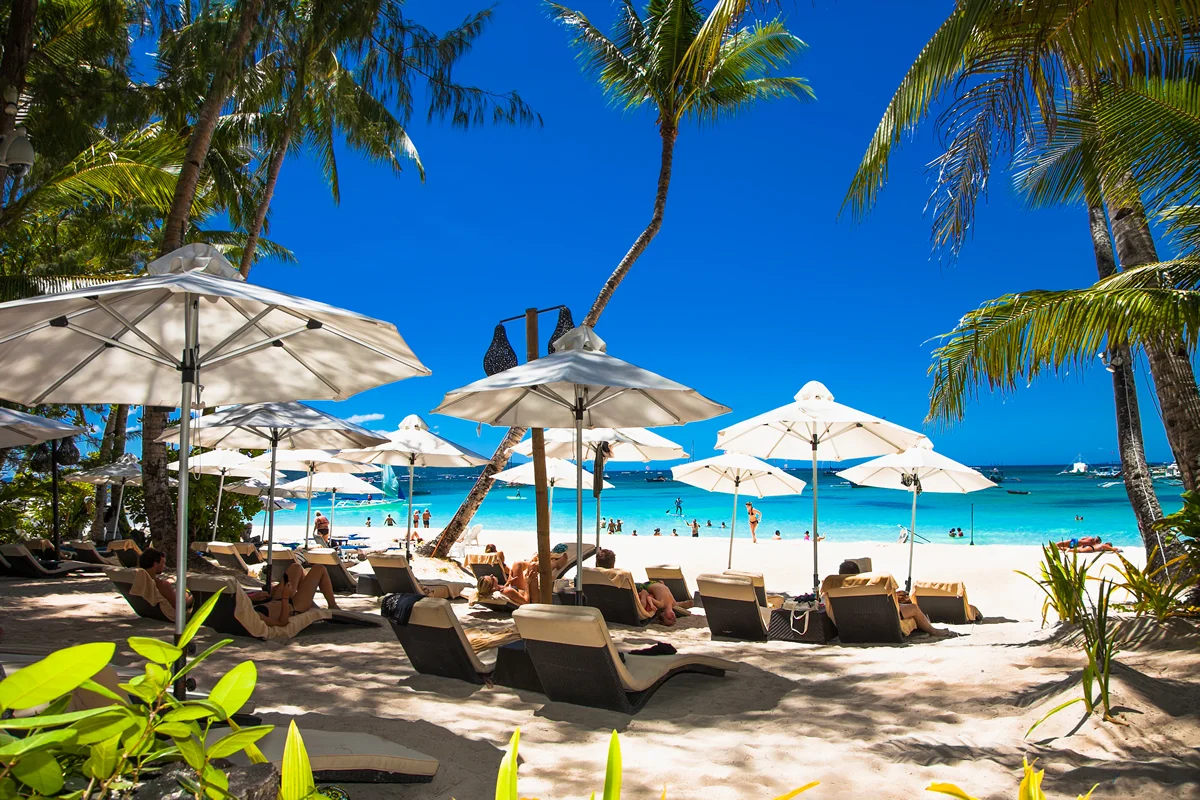
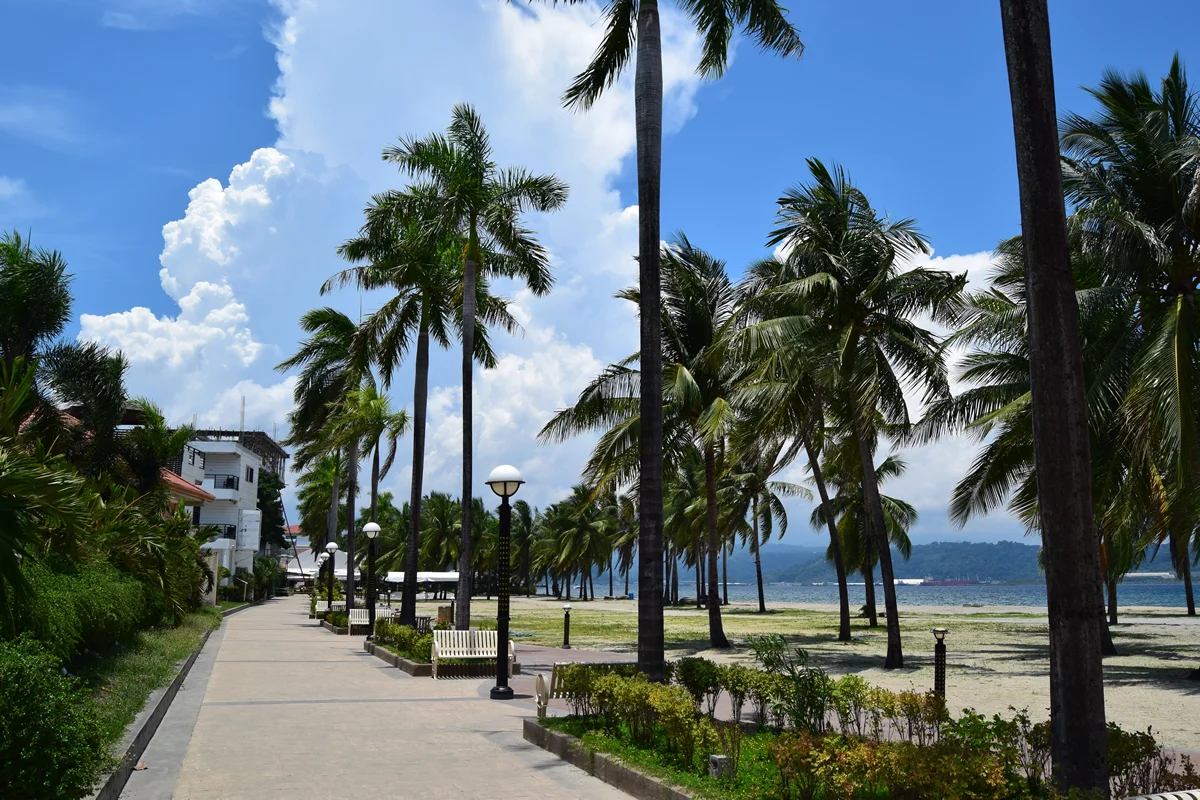
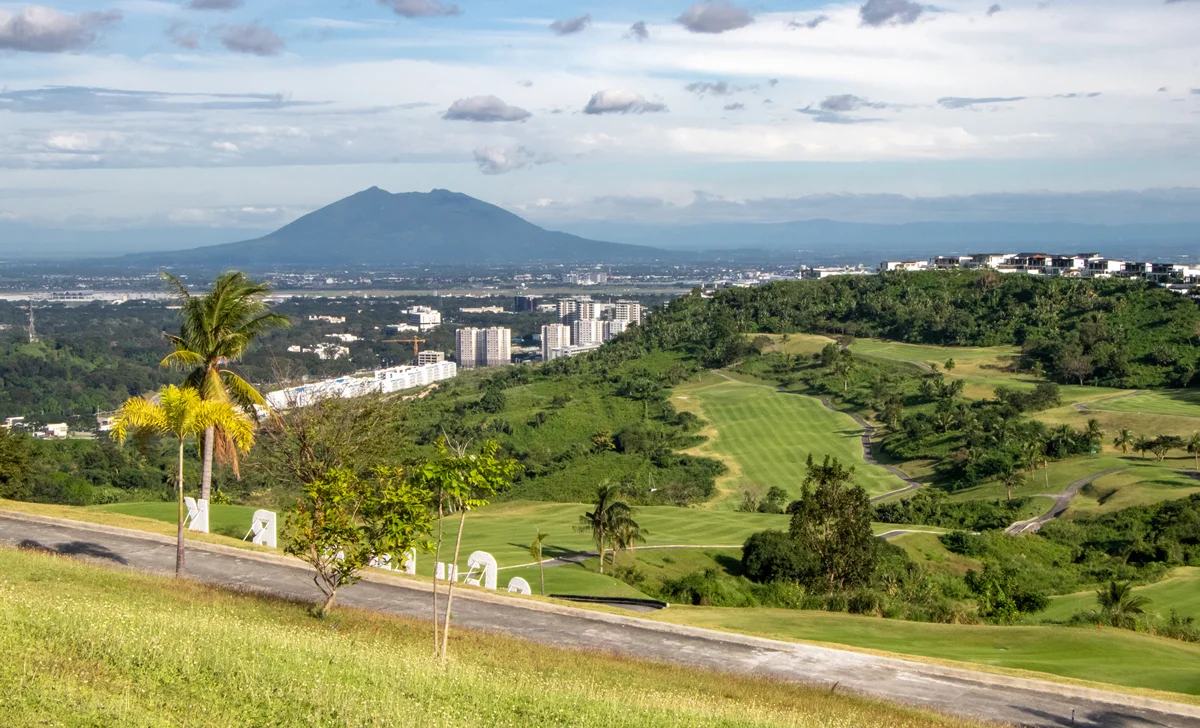
Many transient houses sit near airports, bus terminals, ports, or business districts, making them convenient for travelers who need easy access to transportation or work commitments. Others are found in tourist areas such as Baguio, Tagaytay, or Boracay, catering to vacationing families and groups.
Privacy Compared to Hotels
Because a transient house is a self-contained unit, guests usually do not share hallways, elevators, or common areas with other guests the way they might in a hotel. This appeals to families, barkada trips, and anyone who prefers a more private, home-like environment.
How a Transient House Works
Booking Process
Guests typically find a transient house through an online booking platform, a Facebook page, or a direct referral, then reserve a date by paying a reservation fee to confirm the booking. The property owner or caretaker usually confirms availability, shares the exact address, and explains the payment and check-in process.
Information You’ll Need to Provide
Most transient house owners ask for basic details before confirming a booking, including:
- Full name and contact number
- Number of guests
- Check-in and check-out dates
- A valid government-issued ID (sometimes required only at check-in)
Confirmation and Payment
Once the reservation fee is paid, most owners send a confirmation message with the exact address, contact person, and house rules. The remaining balance is usually settled on-site or before check-in, depending on the property’s policy.
Check-In and Stay
On arrival, guests typically present a valid ID, settle any remaining balance, and receive the keys or access code. Some transient houses offer self-check-in through a lockbox or smart lock, while others have a caretaker or owner meet guests in person.
Check-Out
Check-out usually involves returning the keys, a quick inspection of the unit for damages, and, if applicable, the refund of a security deposit. Standard check-out time is typically late morning, though this varies by property.
Who Uses Transient Houses?
| Traveler Type | Common Reason for Booking |
|---|---|
| Families | Space for multiple family members, kitchen access, privacy |
| OFWs and balikbayans | Temporary stay while visiting relatives or settling documents |
| Business travelers | Proximity to offices or transport hubs, quiet workspace |
| Barkada or group trips | Shared living space, lower per-person cost |
| Couples | Privacy, flexible hours, no shared common areas |
| Layover travelers | Short stays near airports between flights |
Choosing the right type depends on group size, budget, and purpose of travel. For a deeper breakdown, see our related guide: How to Choose the Right Transient House for Your Trip.
Why Transient Houses Have Become Popular in the Philippines
The rise of transient houses reflects a few clear shifts in how Filipinos travel and live. Large extended families are common, and a single transient house with two or three bedrooms often works out cheaper and more practical than booking several hotel rooms side by side for a reunion or fiesta trip home. Flexible work arrangements have also made short getaways to nearby provinces, such as Tagaytay, Antipolo, or Batangas, easier to plan on short notice, and transient houses cater well to this kind of spontaneous, budget-conscious travel.
The growth of e-wallets like GCash and Maya has made booking and paying for a transient house far more convenient than it was a decade ago, when most arrangements depended on cash, phone calls, and word of mouth. Today, an entire booking, from search to reservation fee payment to confirmation, can happen through a phone, often within the same day, without either party needing to meet in person until check-in.
OFWs and balikbayans returning to visit relatives represent another significant segment of transient house guests. Rather than staying in a hotel or imposing on relatives with limited space, a transient house offers a private, comfortable base for the duration of a visit, often located conveniently between the airport, government offices for document processing, and family homes in the province. This flexibility, combined with lower cost per head for groups, is a major reason transient houses have grown from a niche, word-of-mouth arrangement into a mainstream travel option across the country.
Tourism growth in second-tier destinations has added to this shift as well. As more Filipino travelers explore places like Siargao, Bohol, and Iloilo rather than sticking to traditional hotspots, transient houses have filled a gap in areas where large hotel chains are limited, giving local property owners a way to participate directly in the tourism economy.
Frequently Asked Questions
Is a transient house legal in the Philippines?
Yes, renting out a residential property short-term is legal, though some cities and condominium associations have specific rules or permits for short-term rental operators. Reputable booking platforms typically require hosts to submit proof of ownership or authorization before a property is listed.
What’s the difference between a transient house and a boarding house?
A transient house is rented for short stays, often just a night or a few days, while a boarding house is rented long-term, usually by the week or month, to tenants who live there more permanently.
Can I book a transient house for just a few hours?
Many transient houses offer hourly bookings, sometimes marketed as “day tour” or “short-time” rates, though this depends on the specific property. Always confirm hourly availability directly with the host before booking.
Do transient houses require a minimum stay?
Some do, especially during peak season or holidays, when owners may require at least a one or two-night minimum. Off-peak dates are more likely to allow flexible, shorter stays.
Are transient houses safe for solo travelers?
Transient houses can be a safe option for solo travelers, especially when booked through platforms that verify hosts and confirm property ownership before listing. Checking reviews, confirming the exact address in advance, and choosing well-lit, accessible locations all add an extra layer of safety.
Expert Author Bio: Randy Alta